
Frequently Asked Questions
What is a Faberge-style egg?
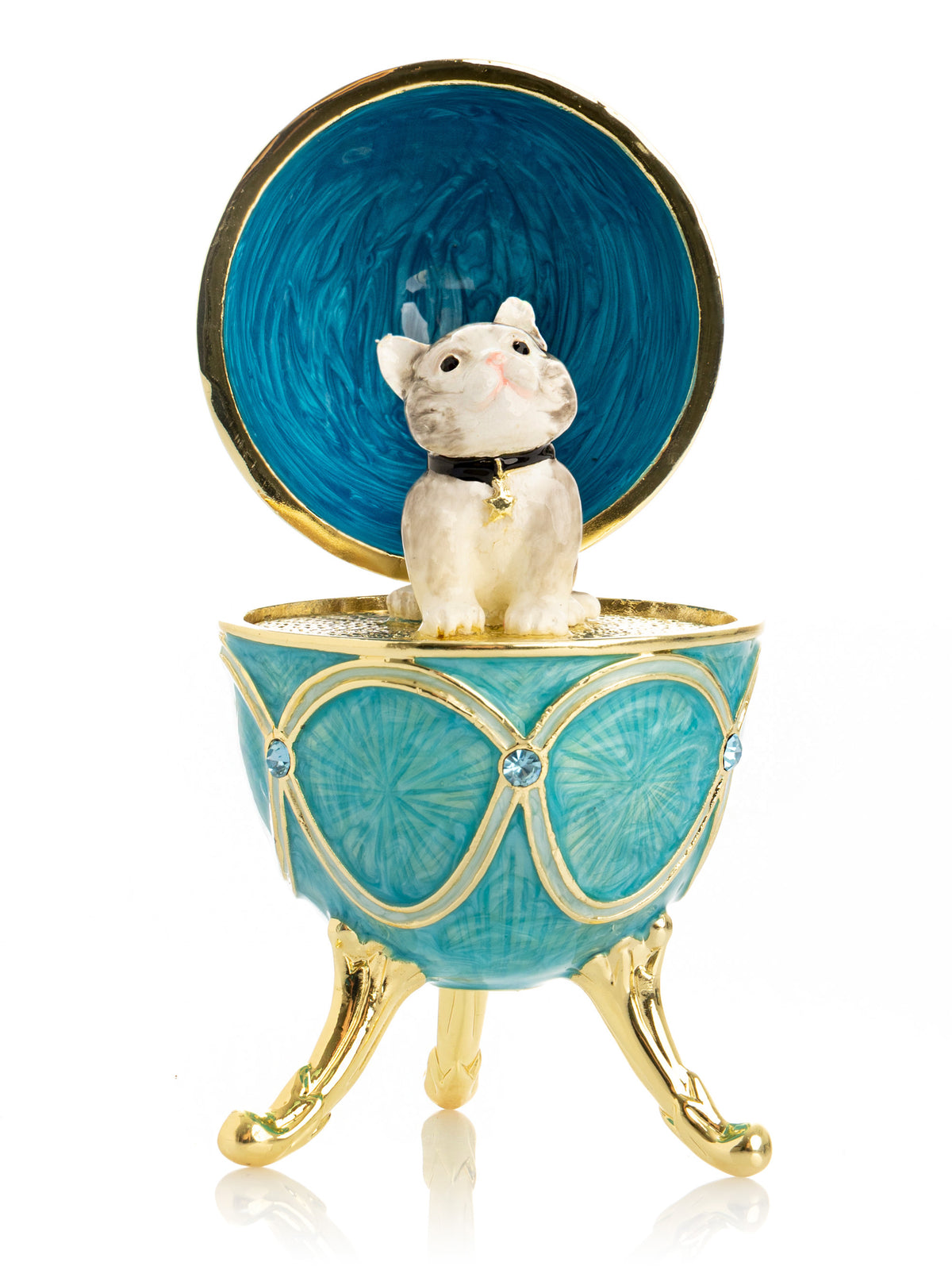
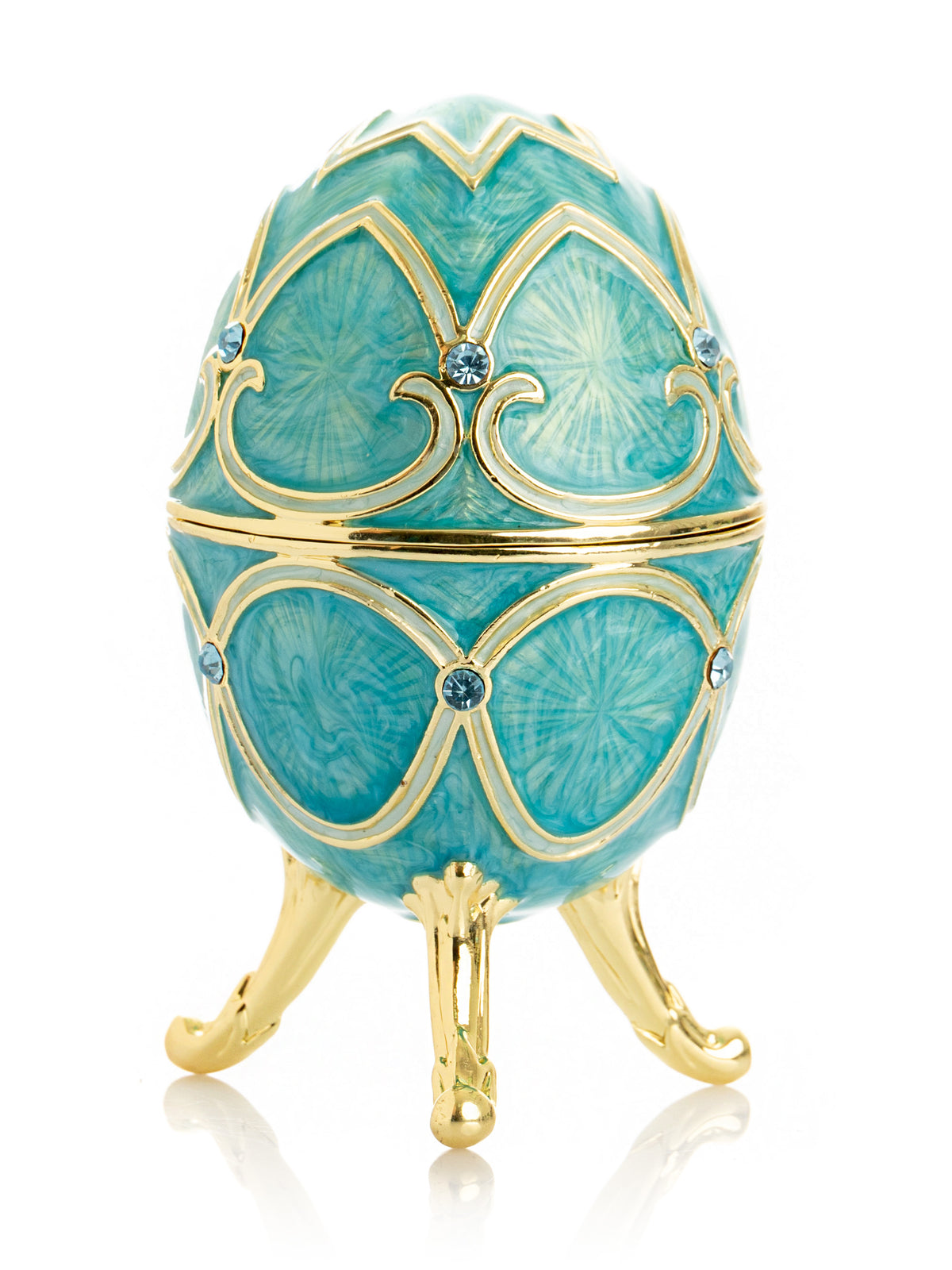
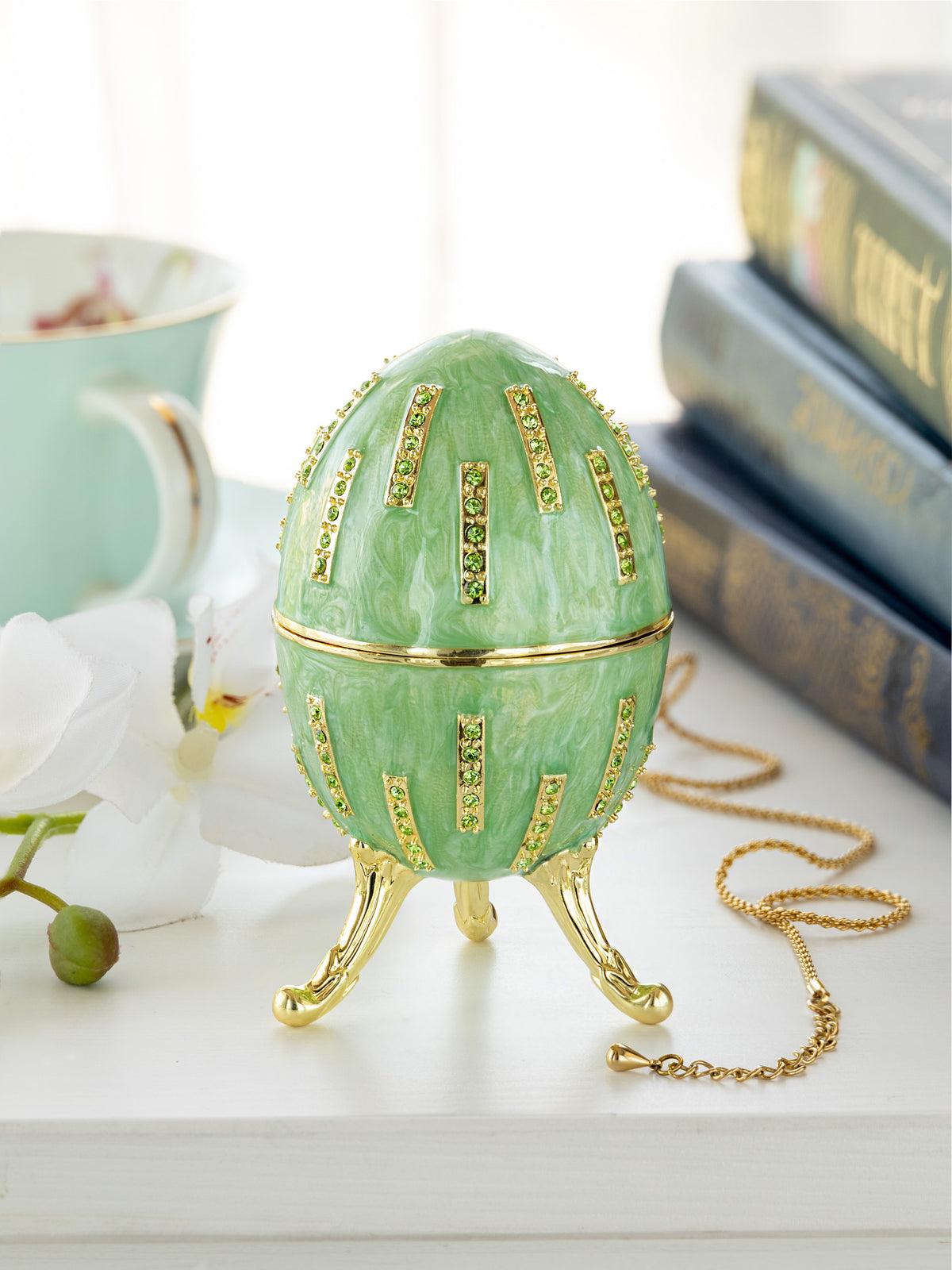
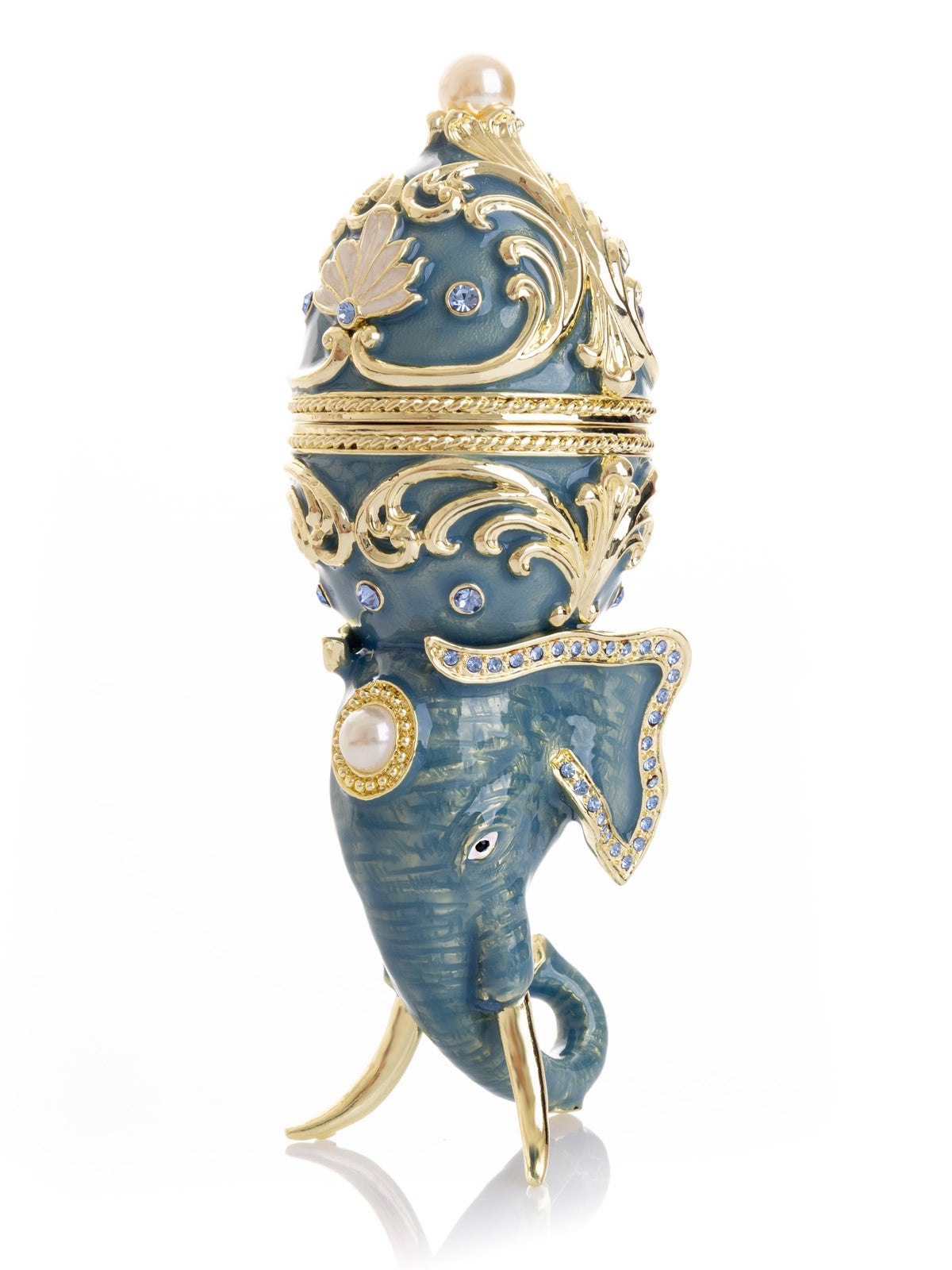
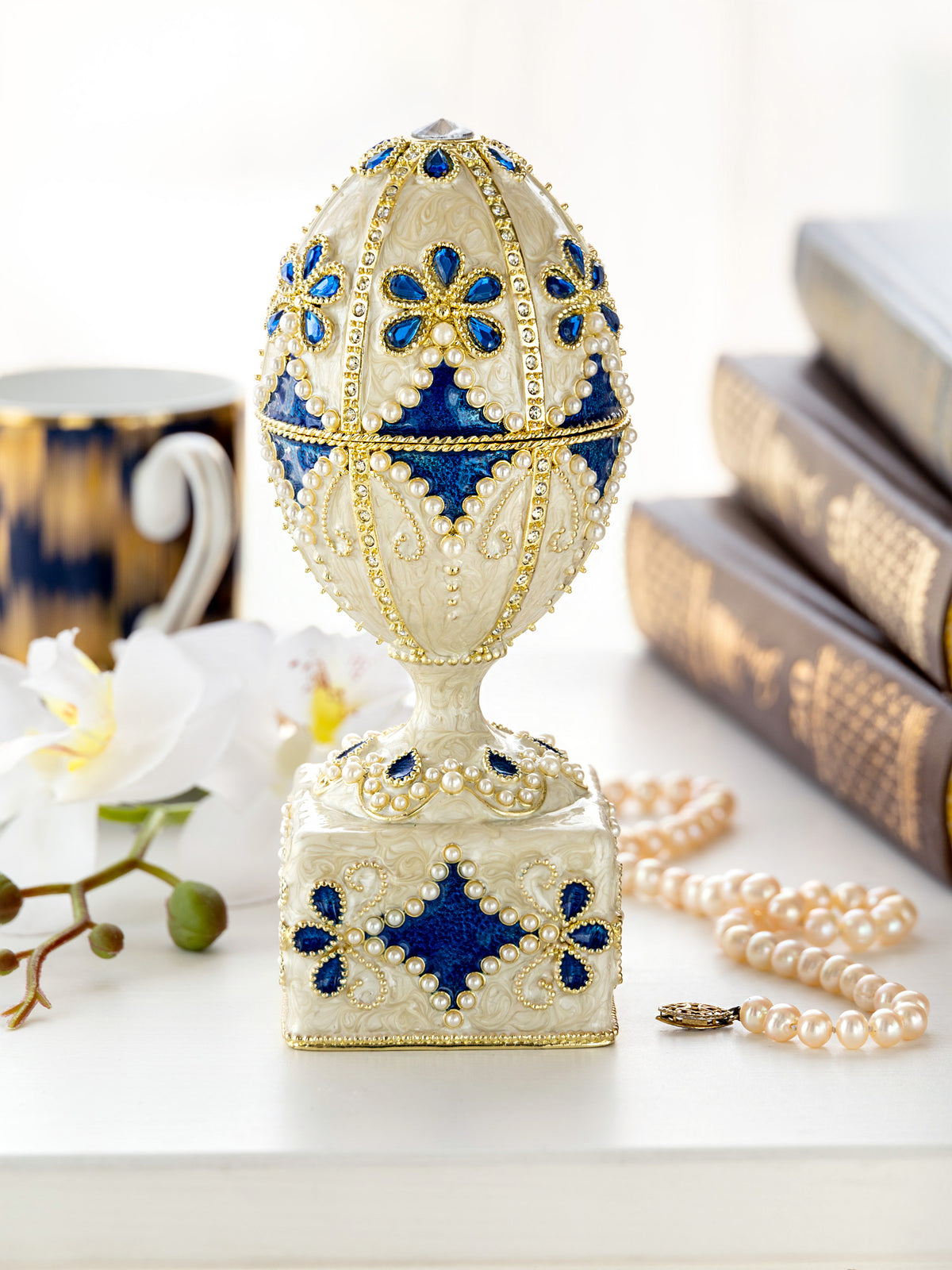
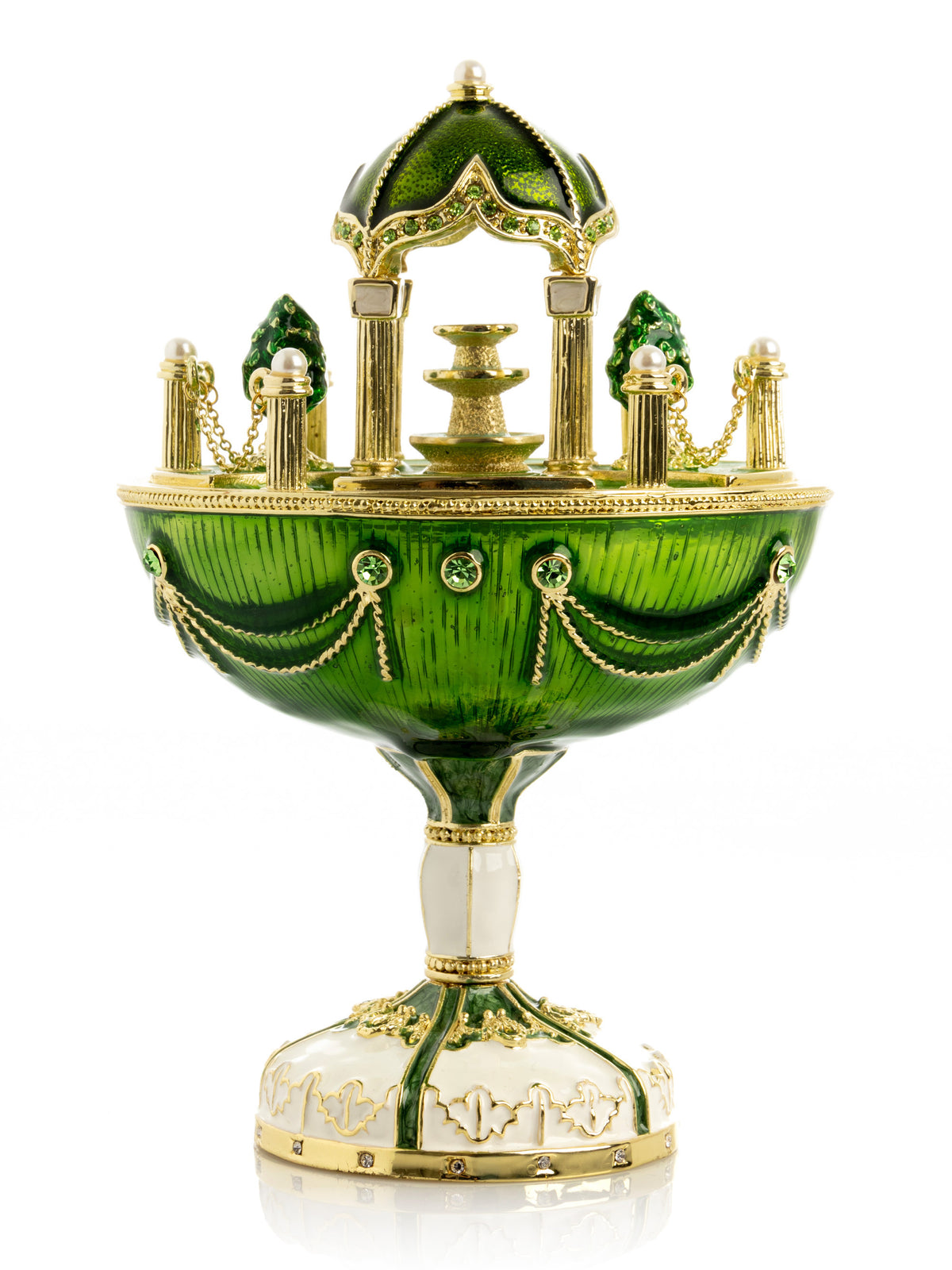
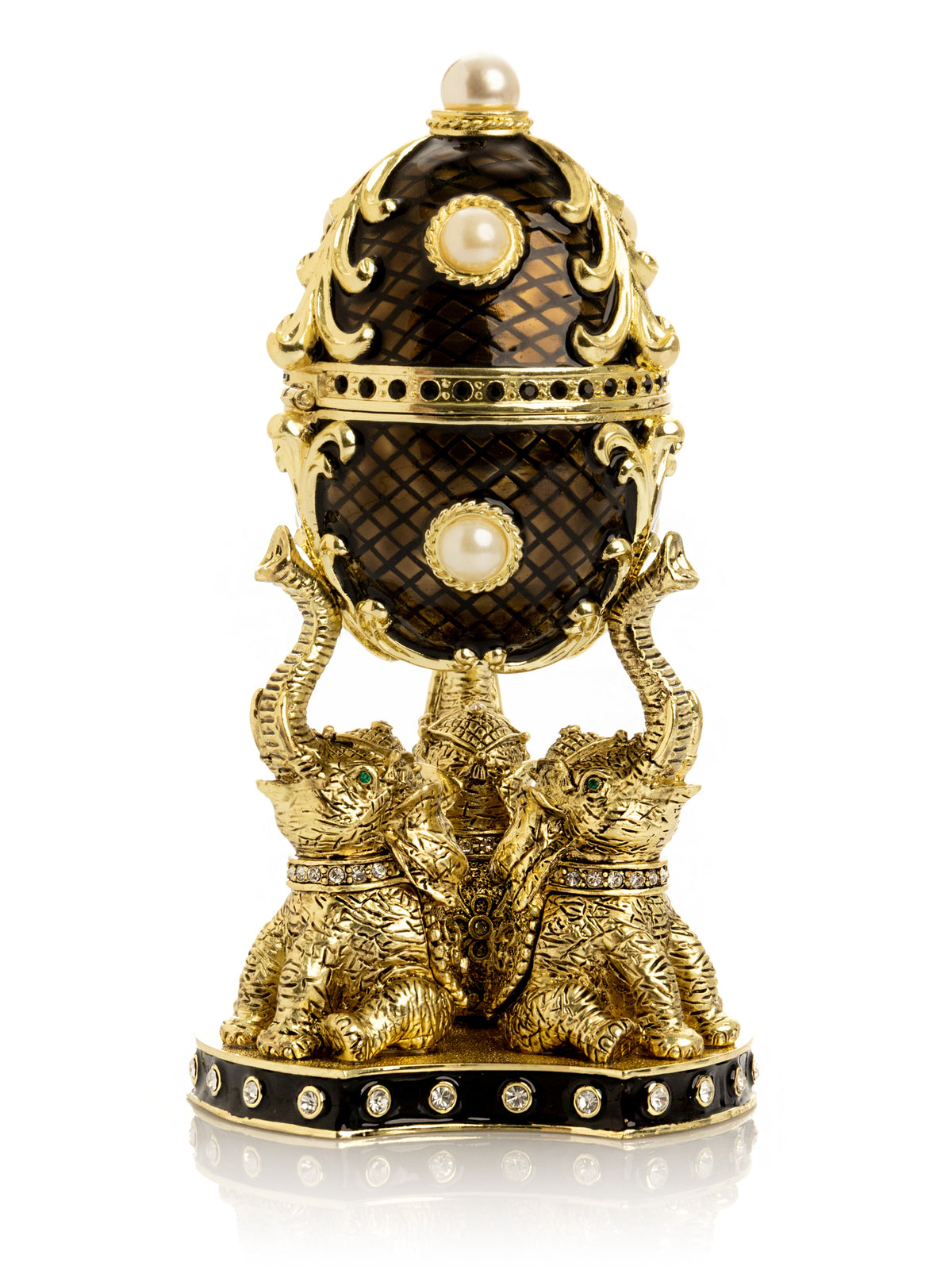
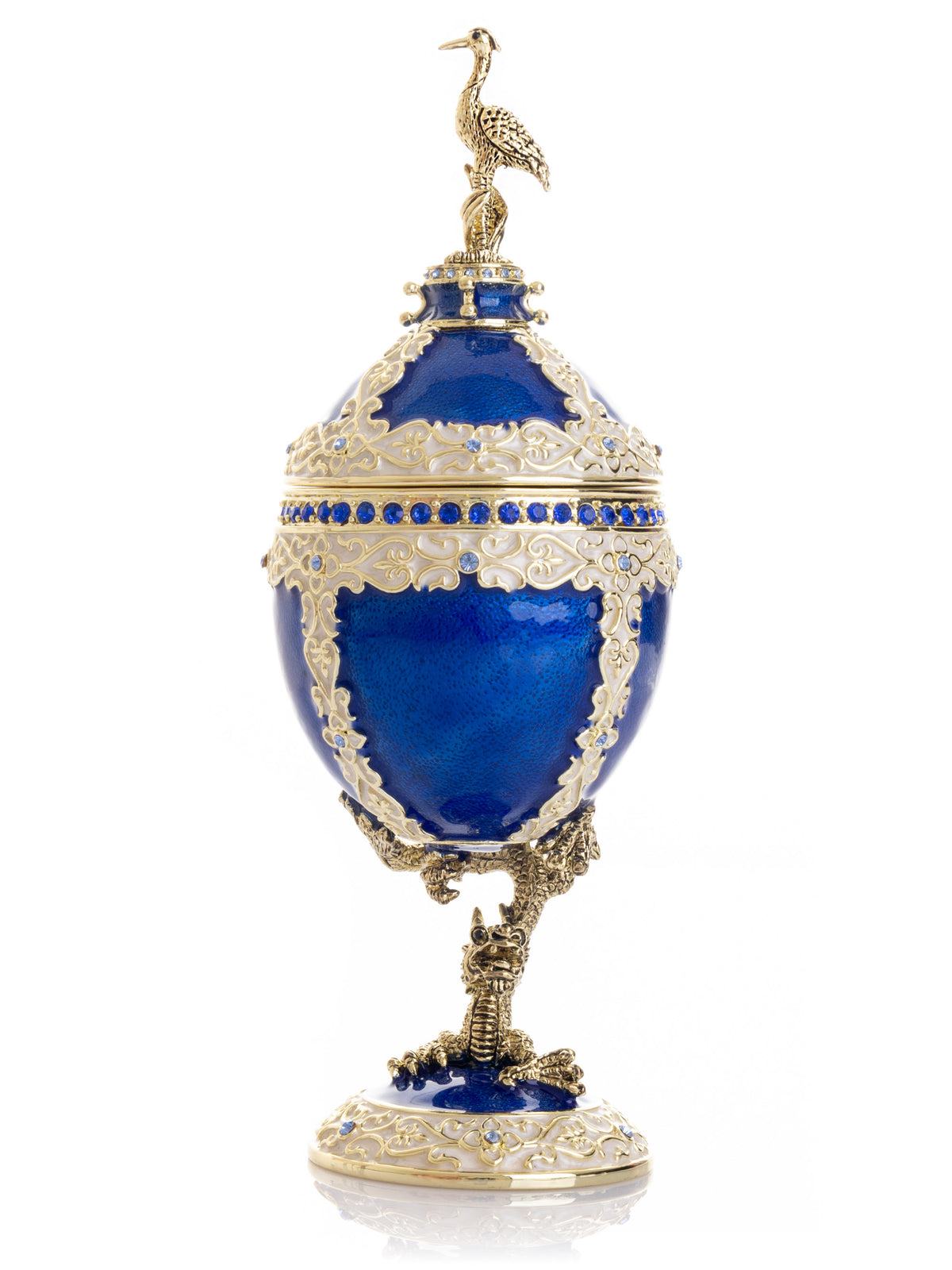
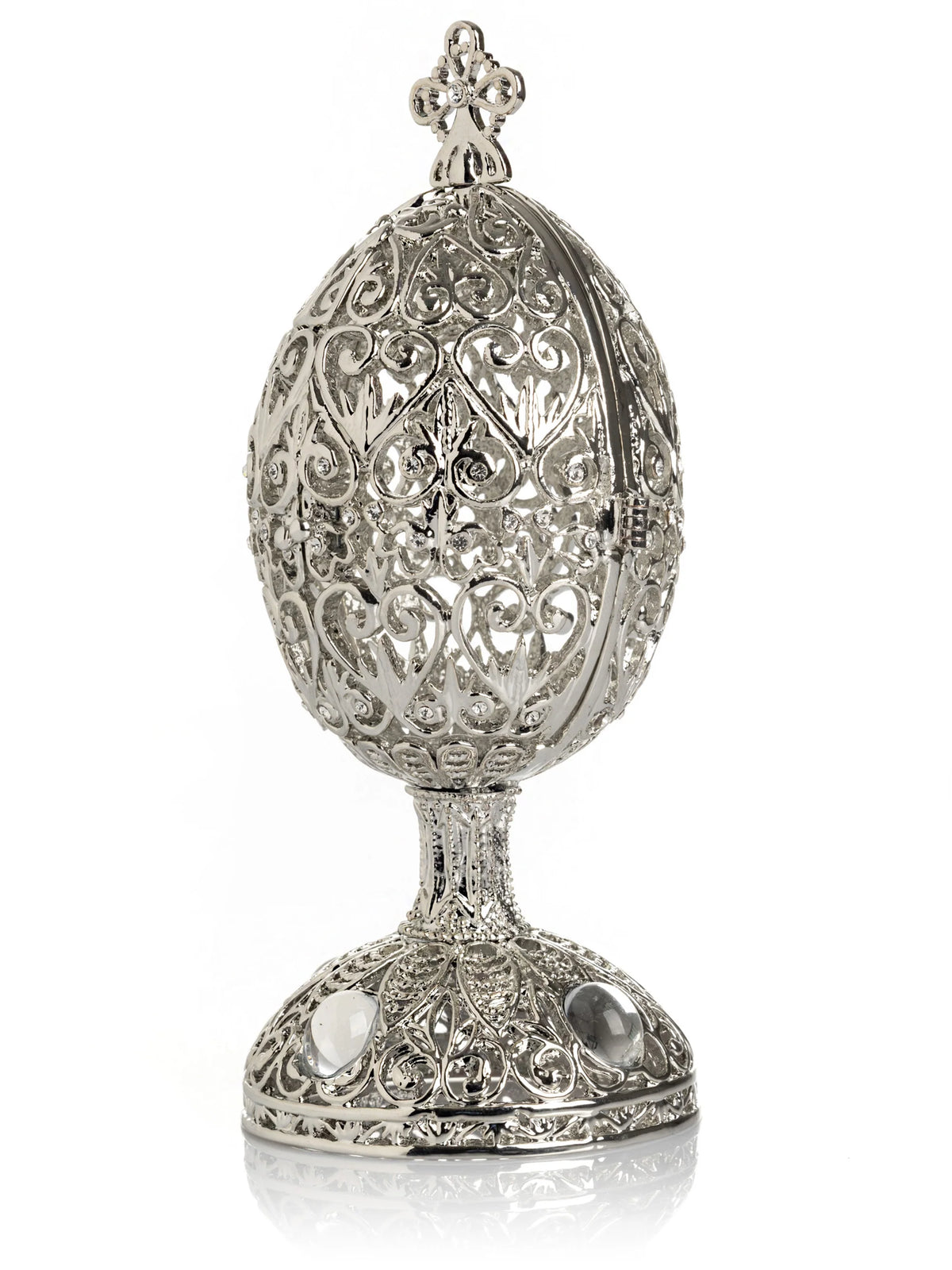
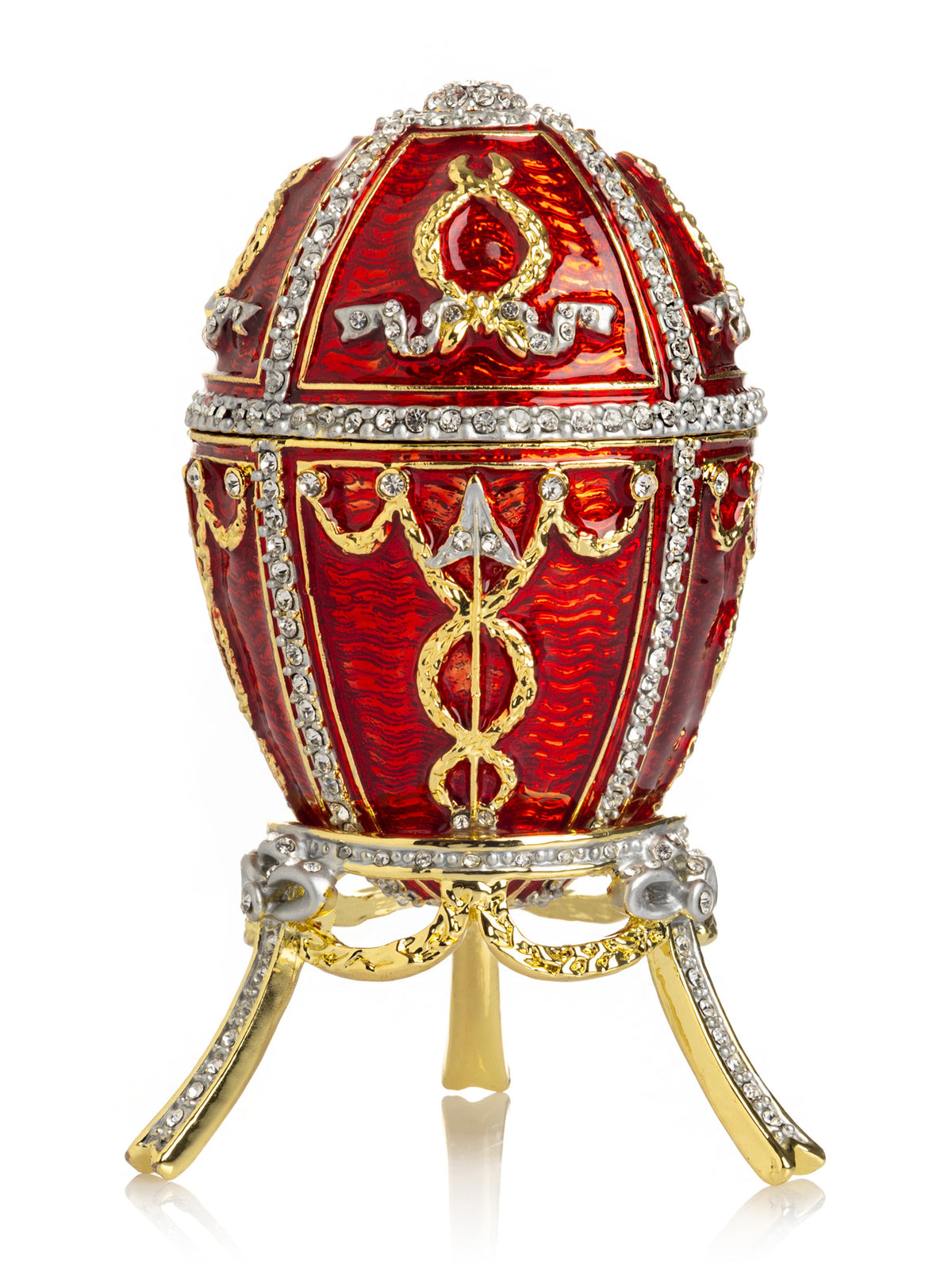
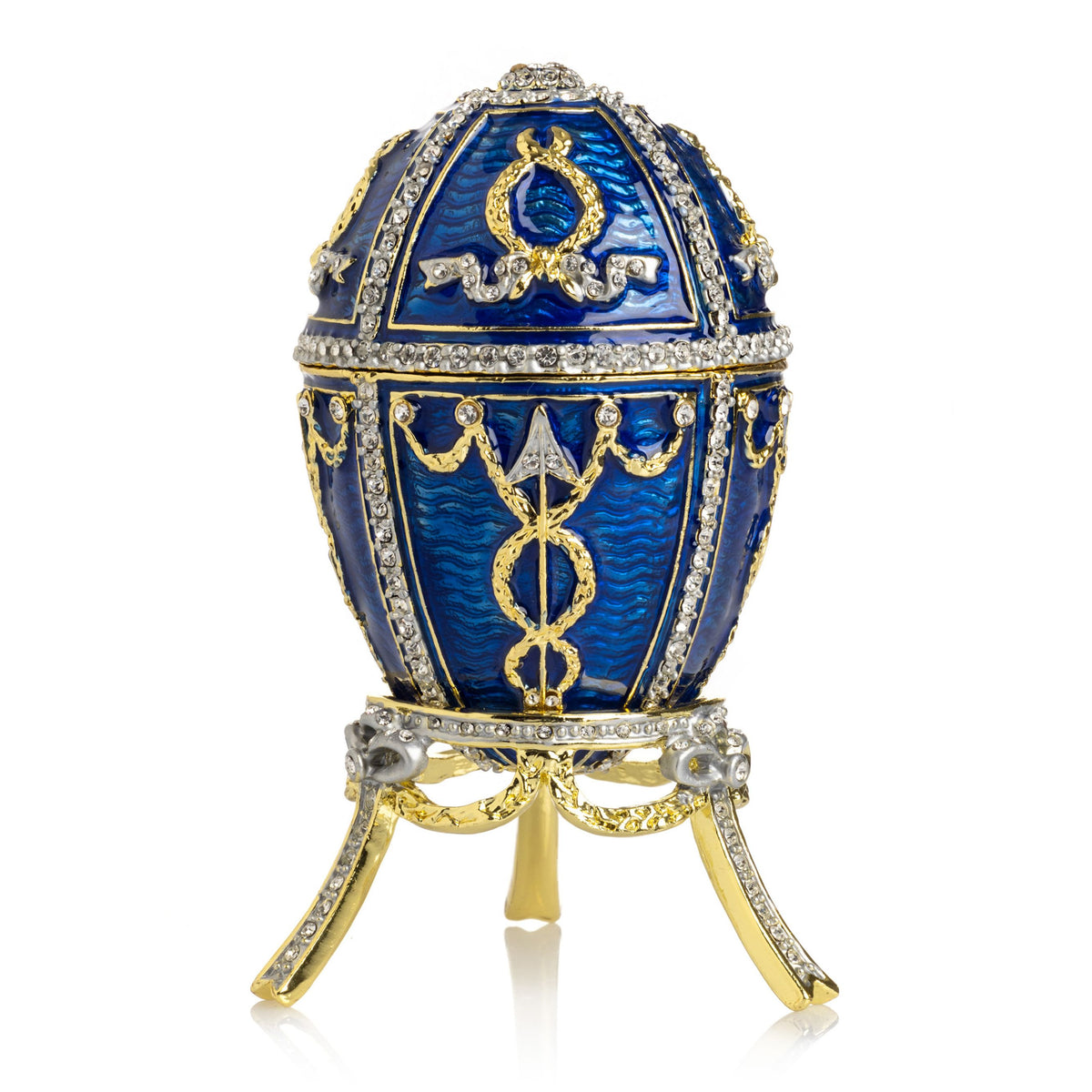
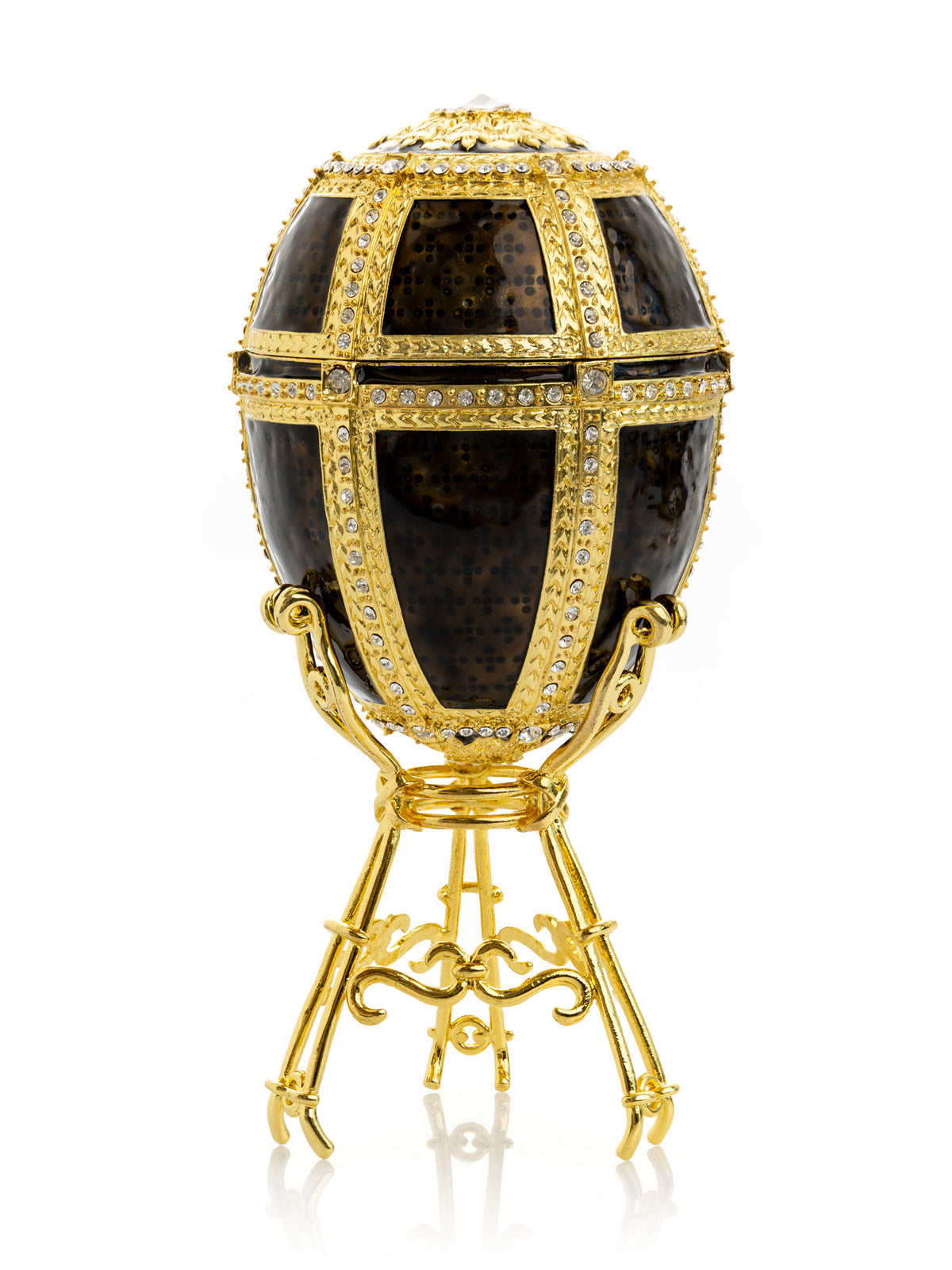
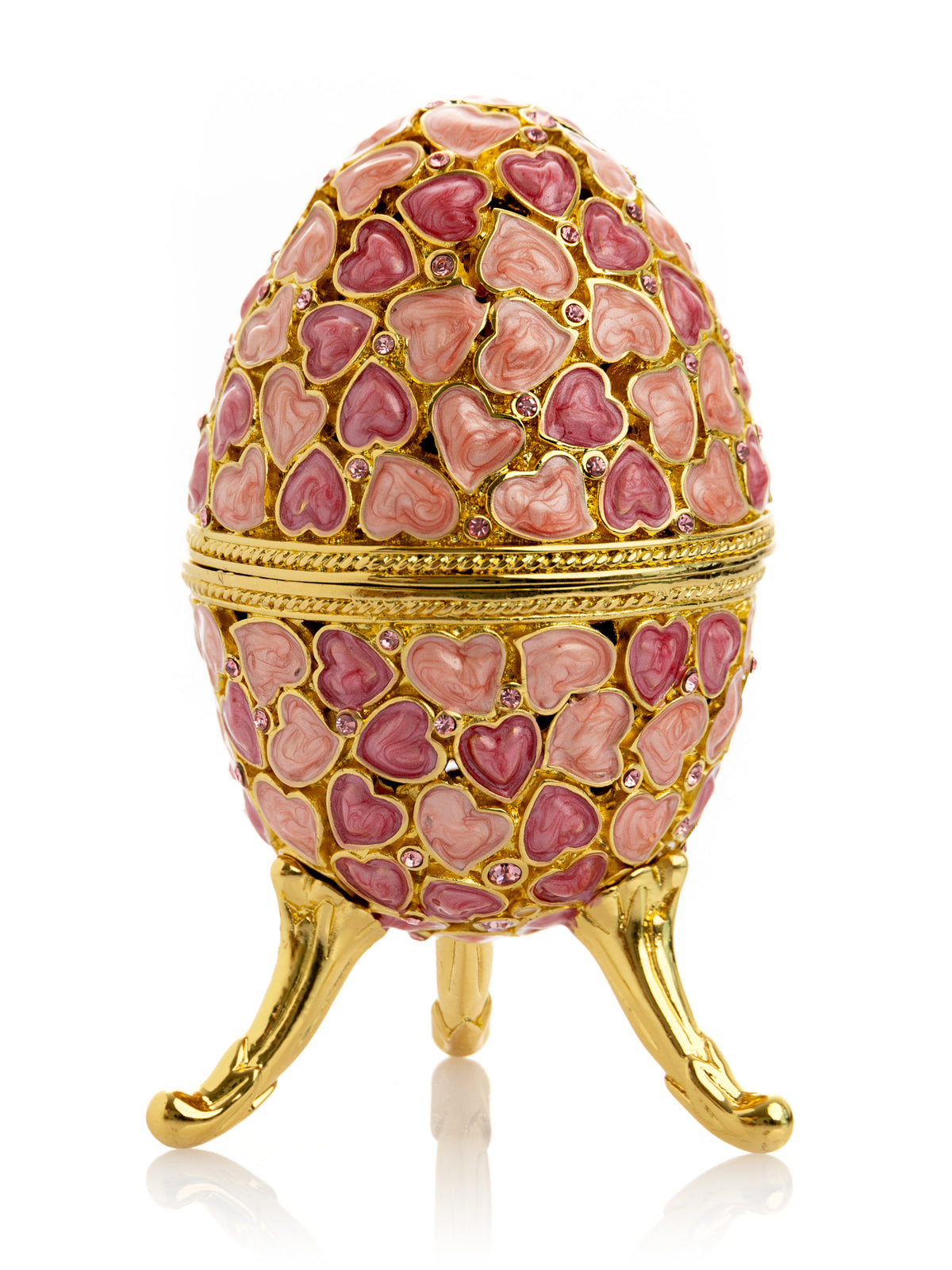
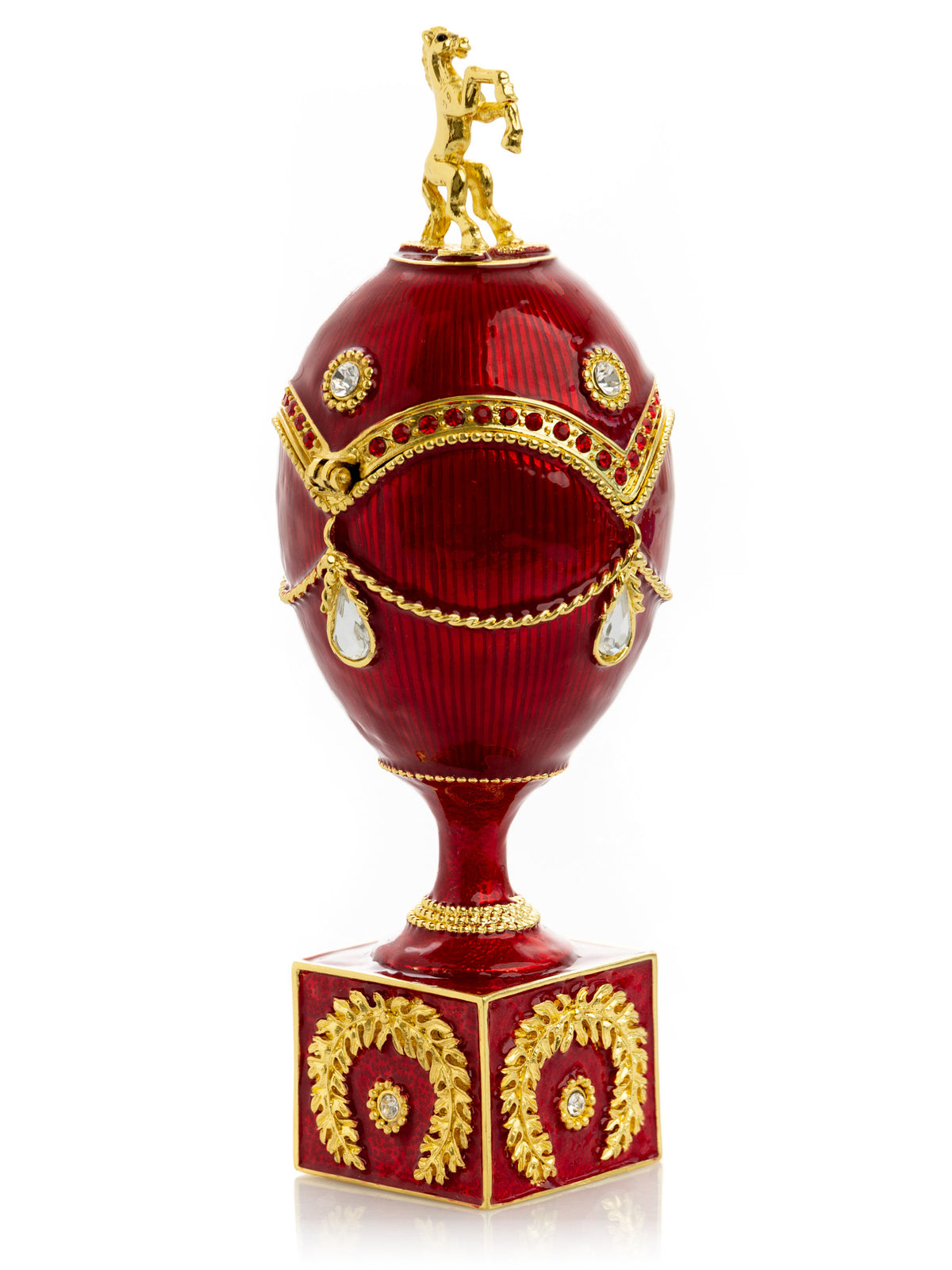
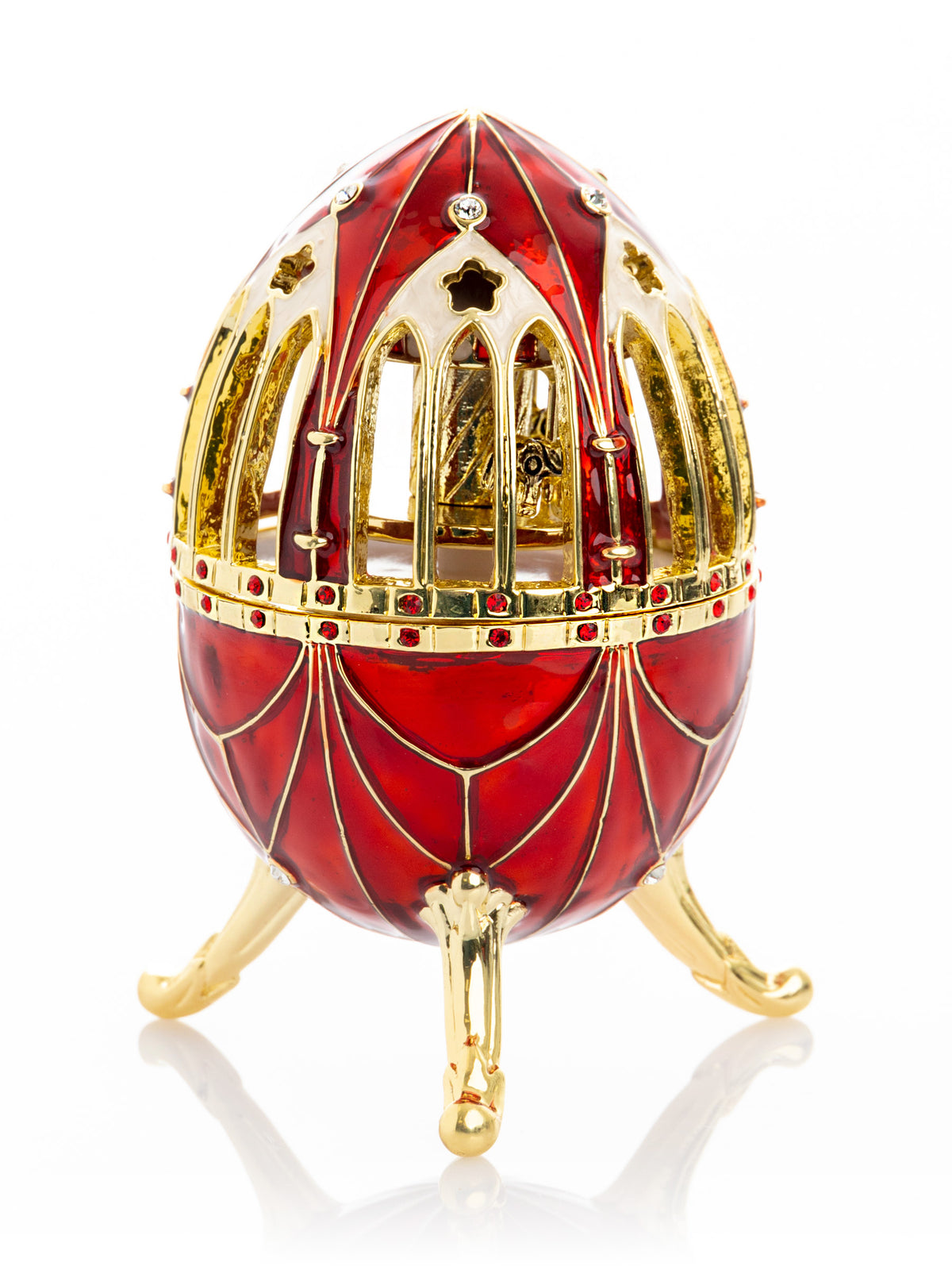
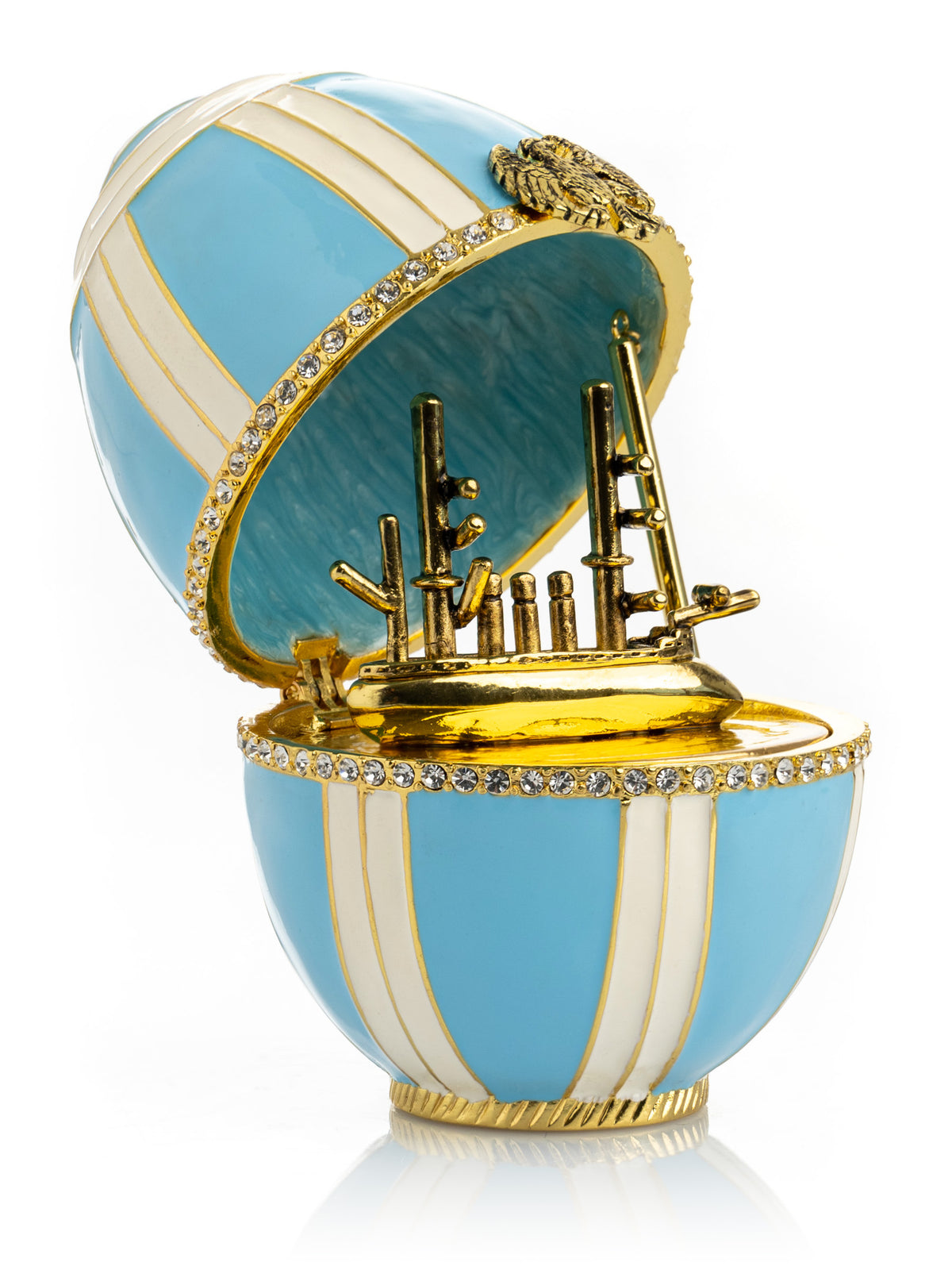
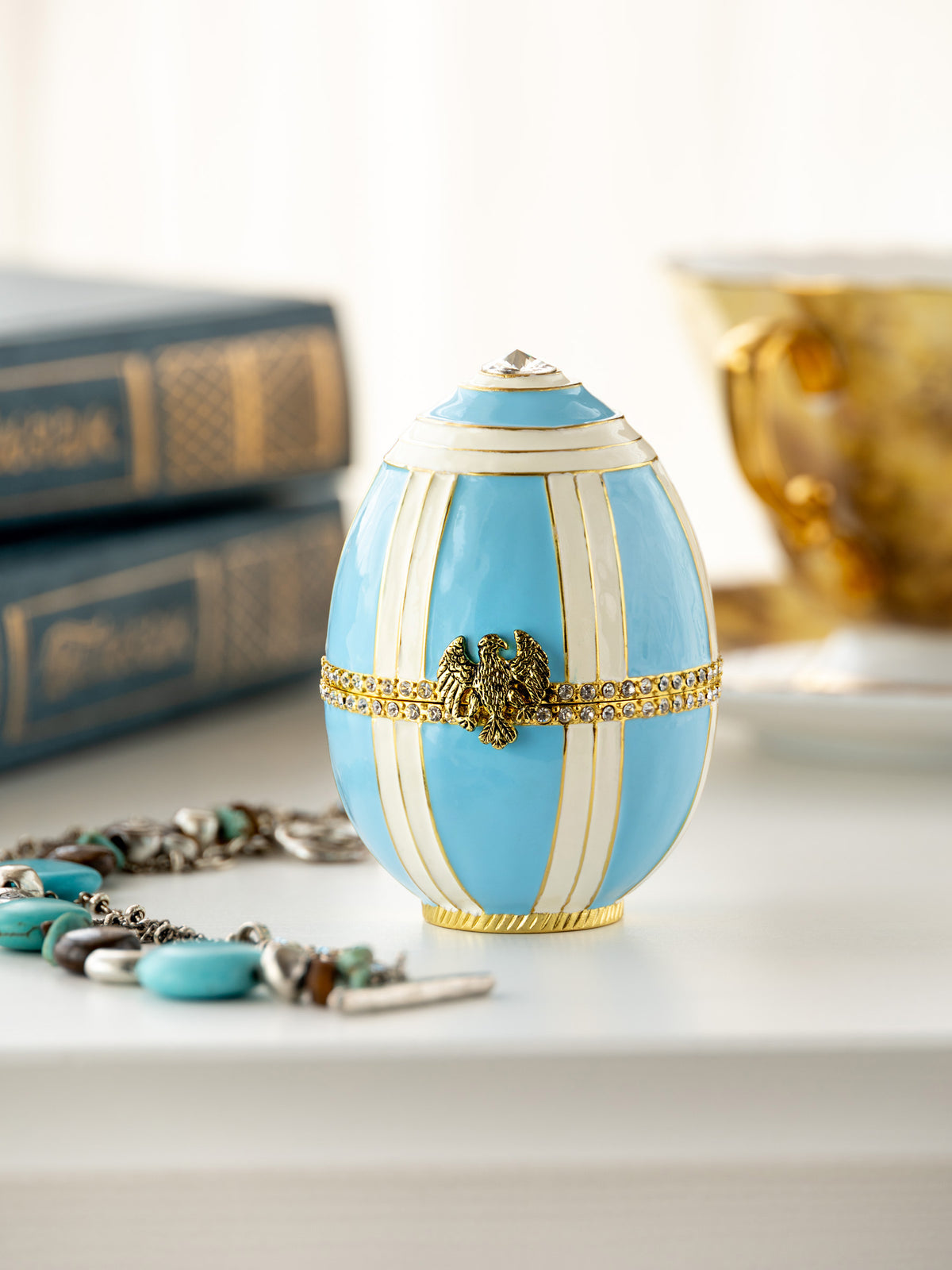
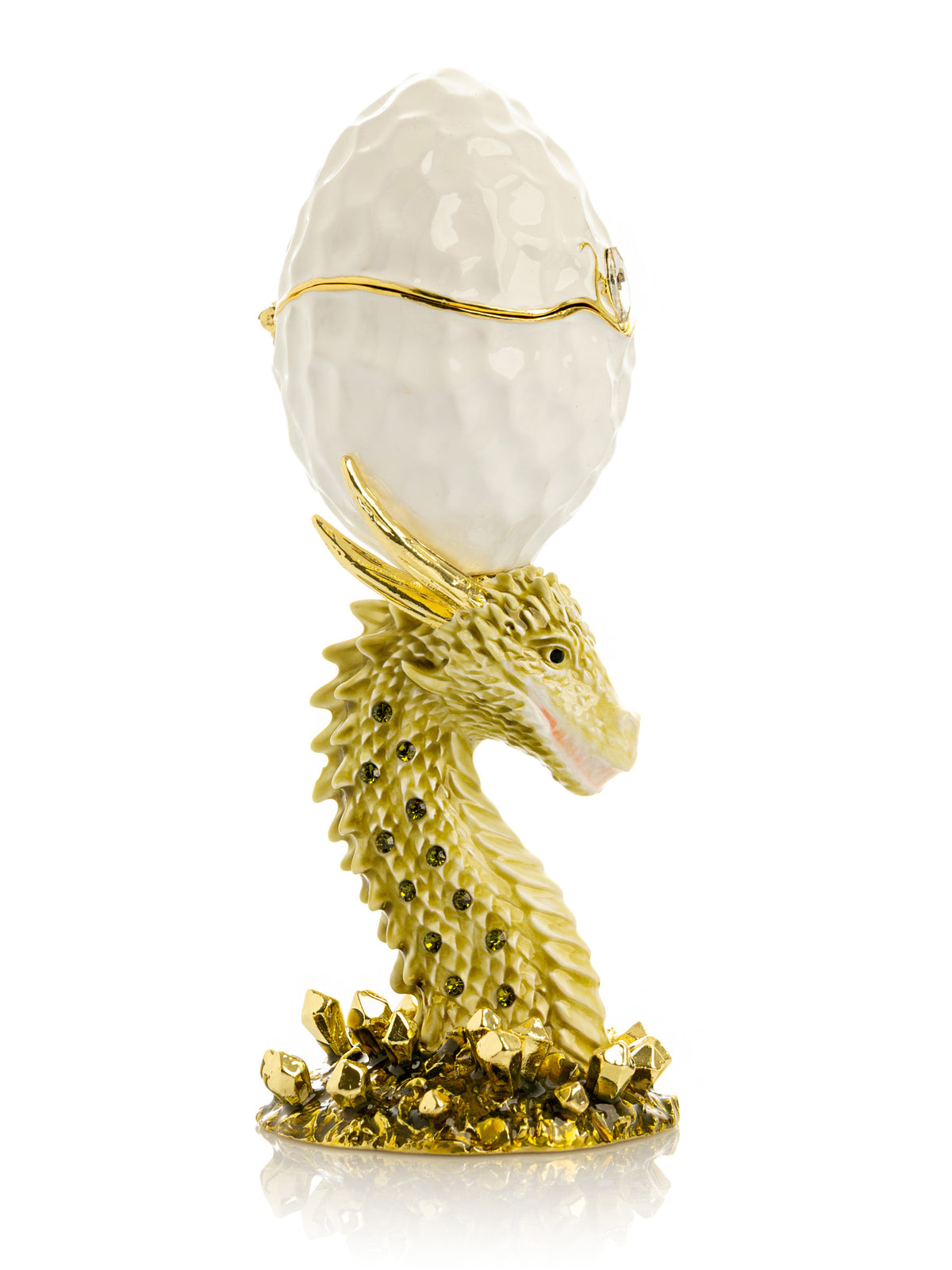
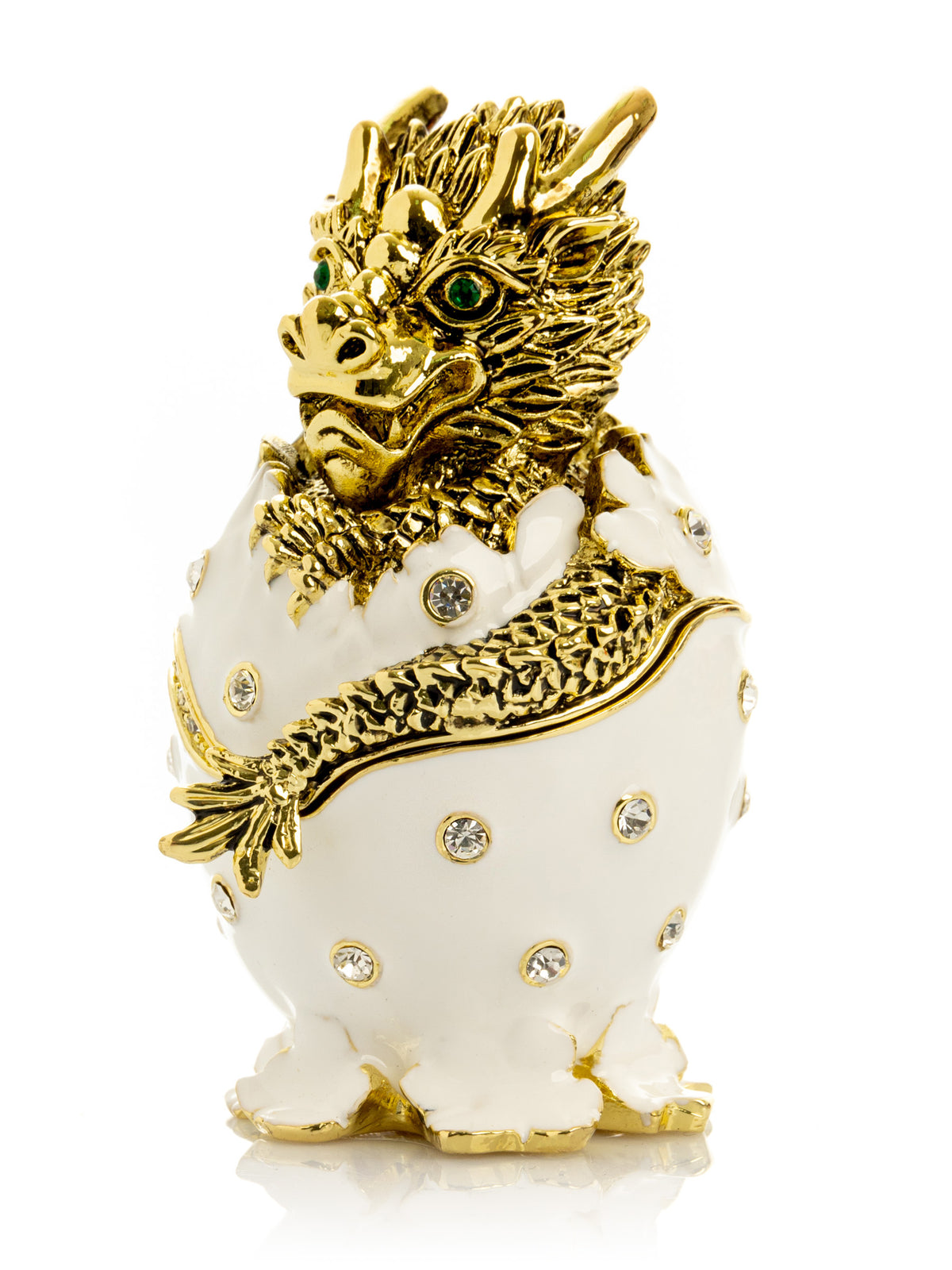
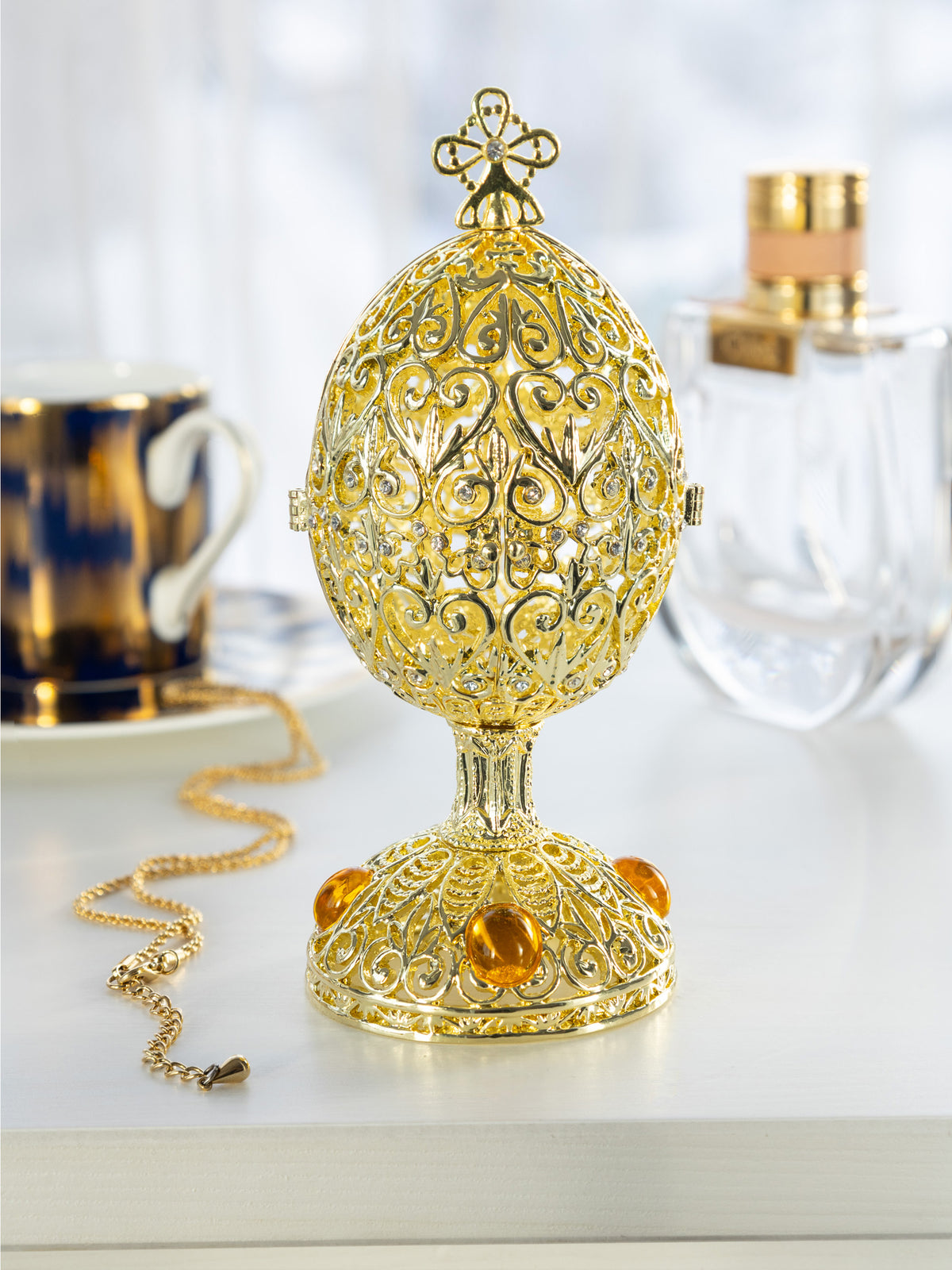
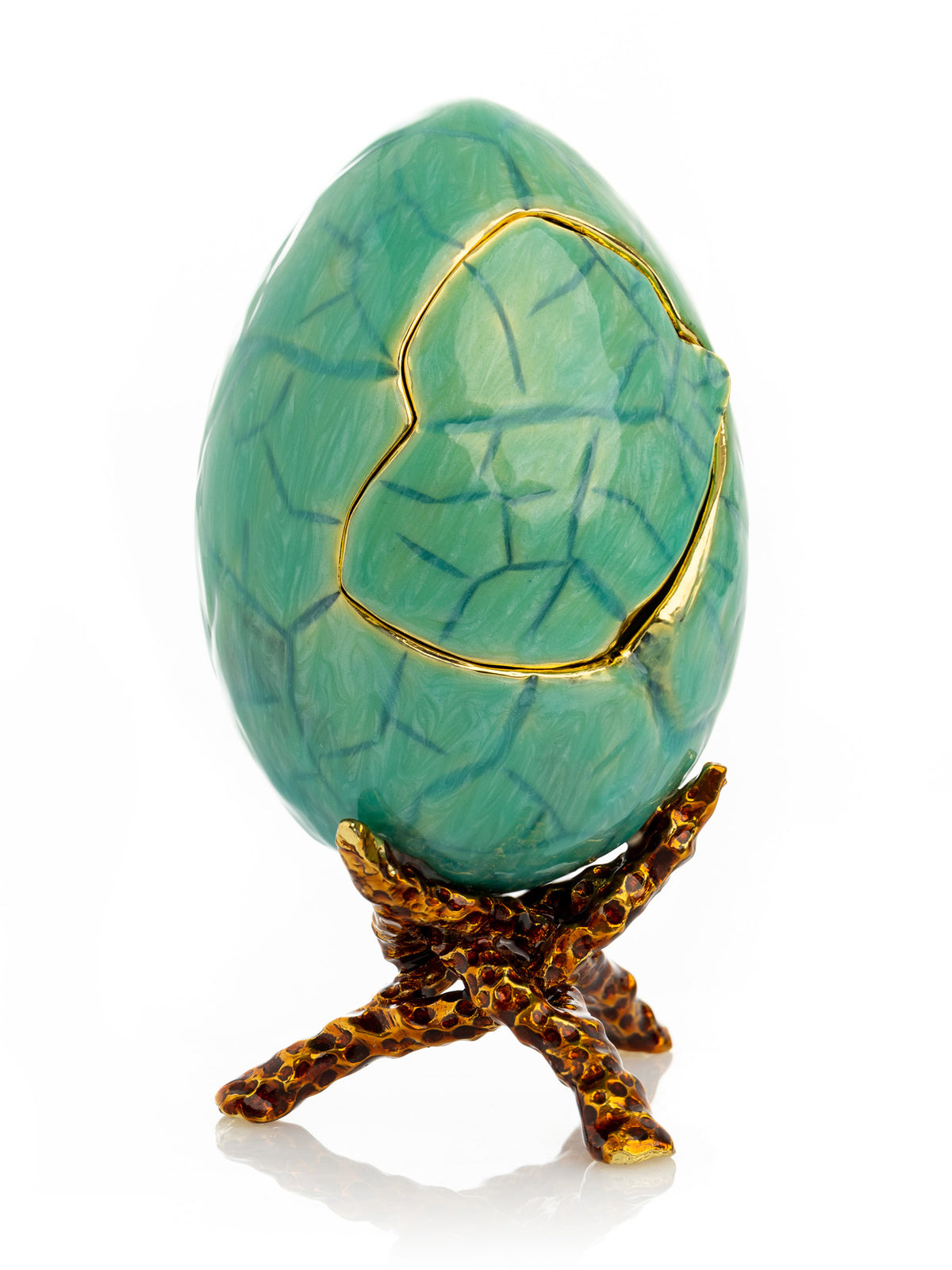
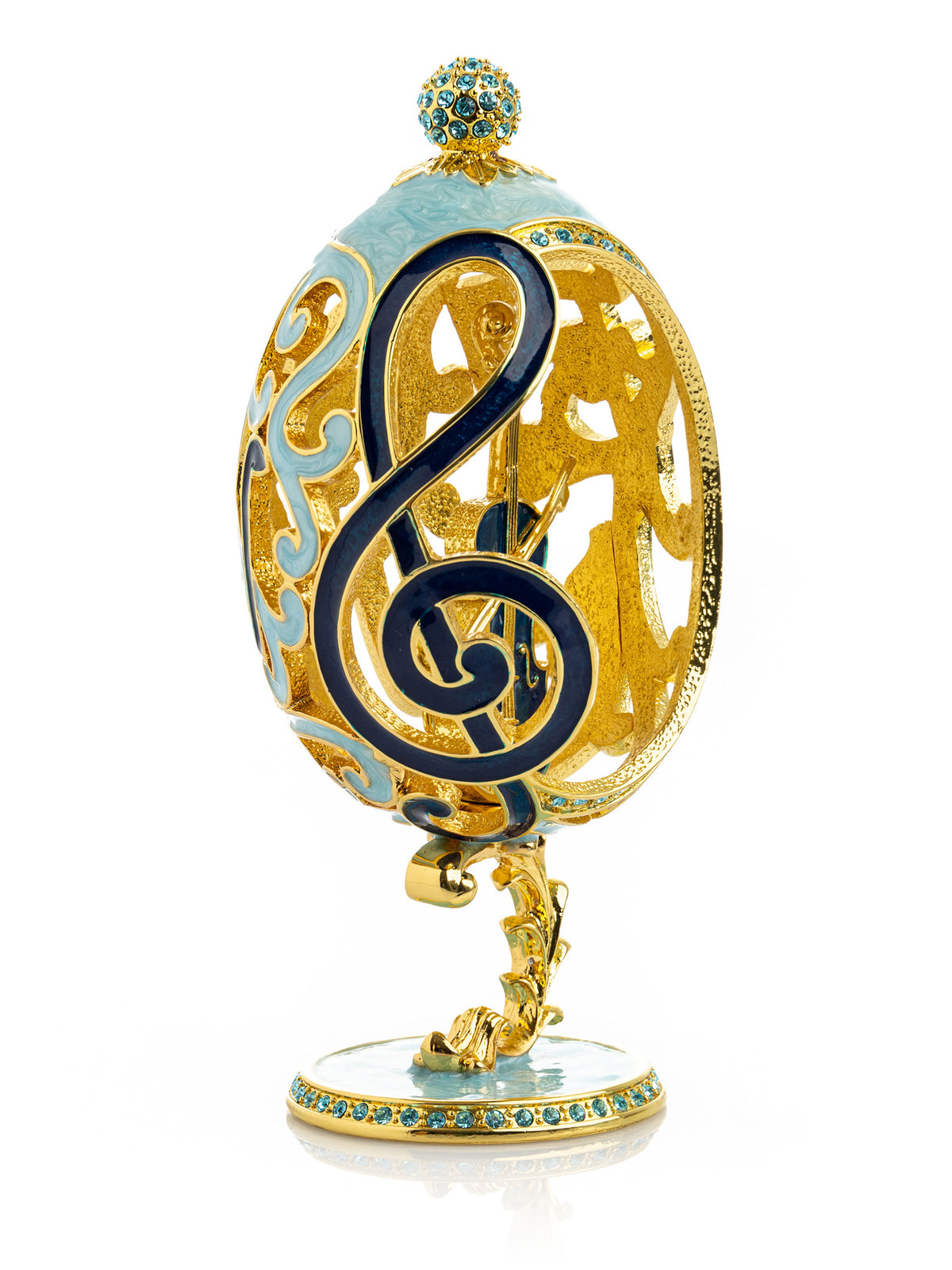
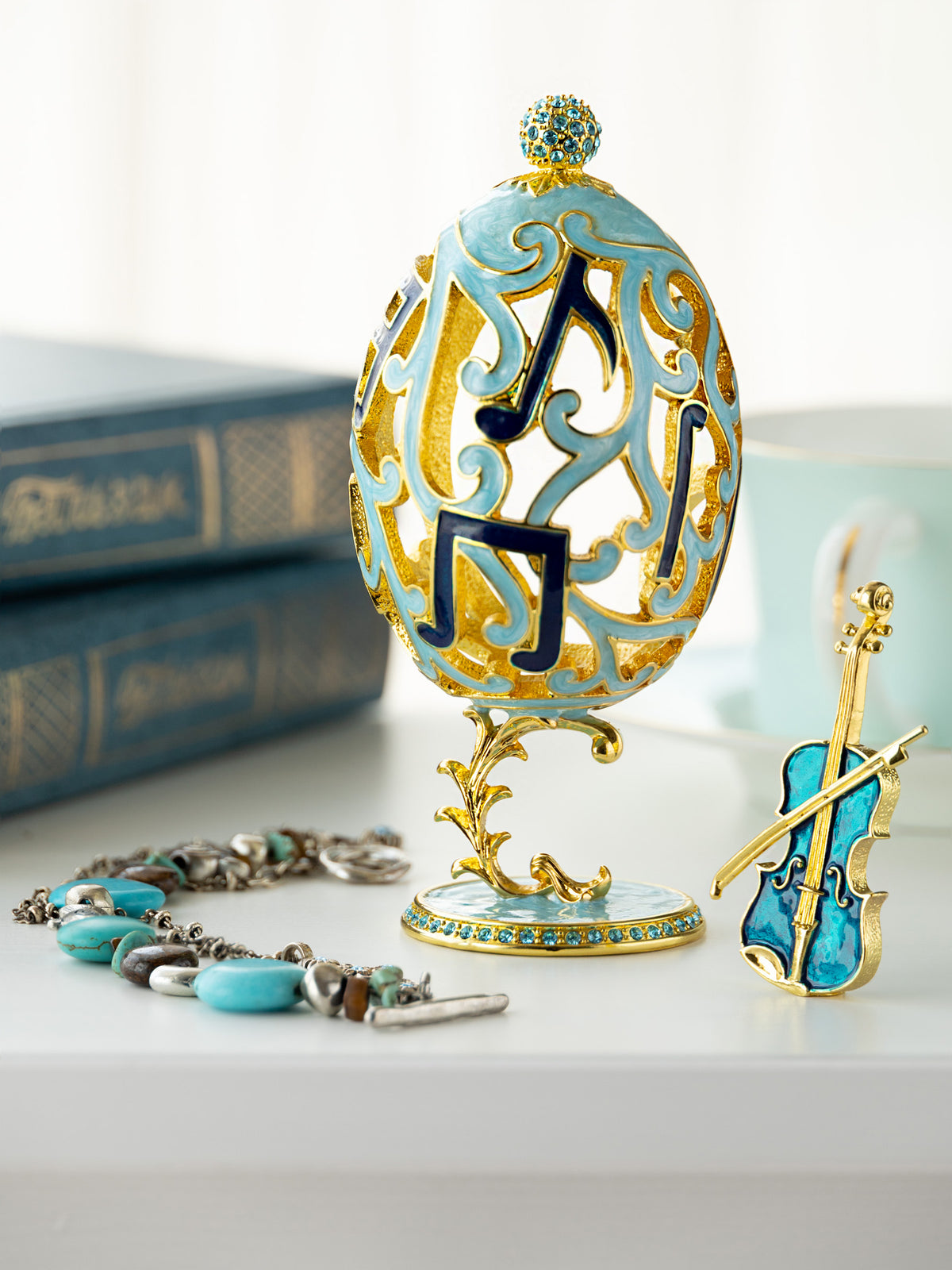
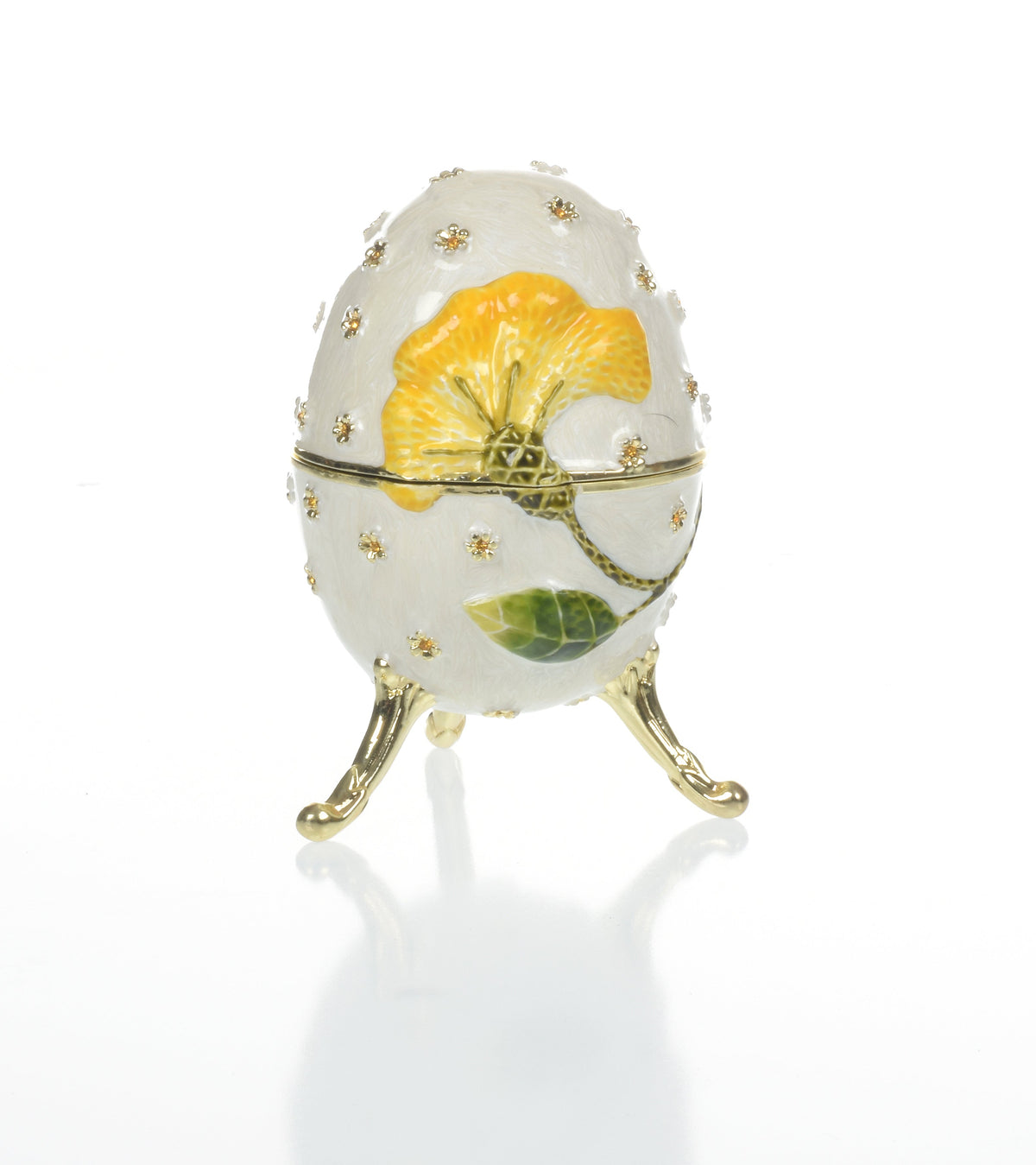
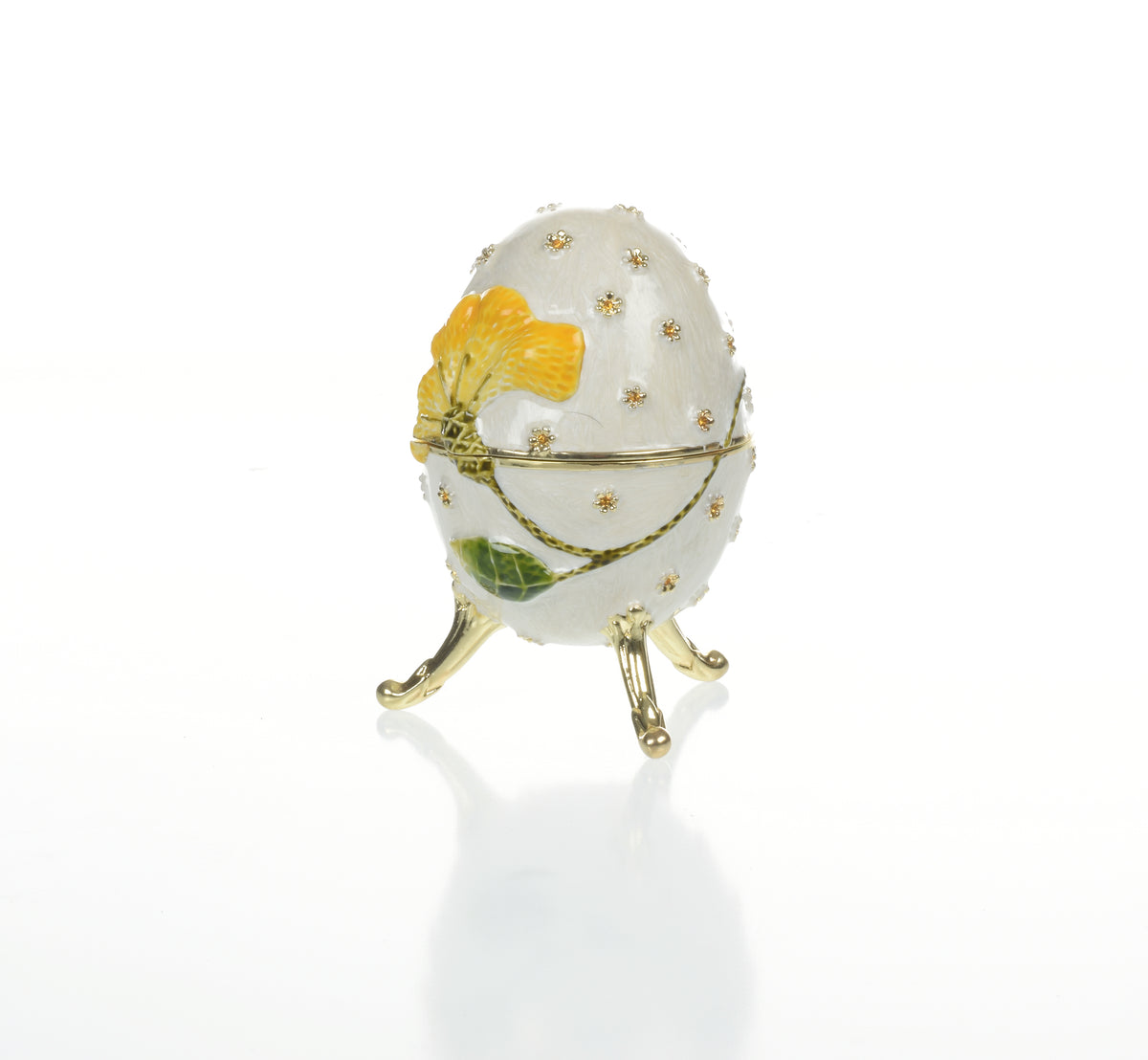
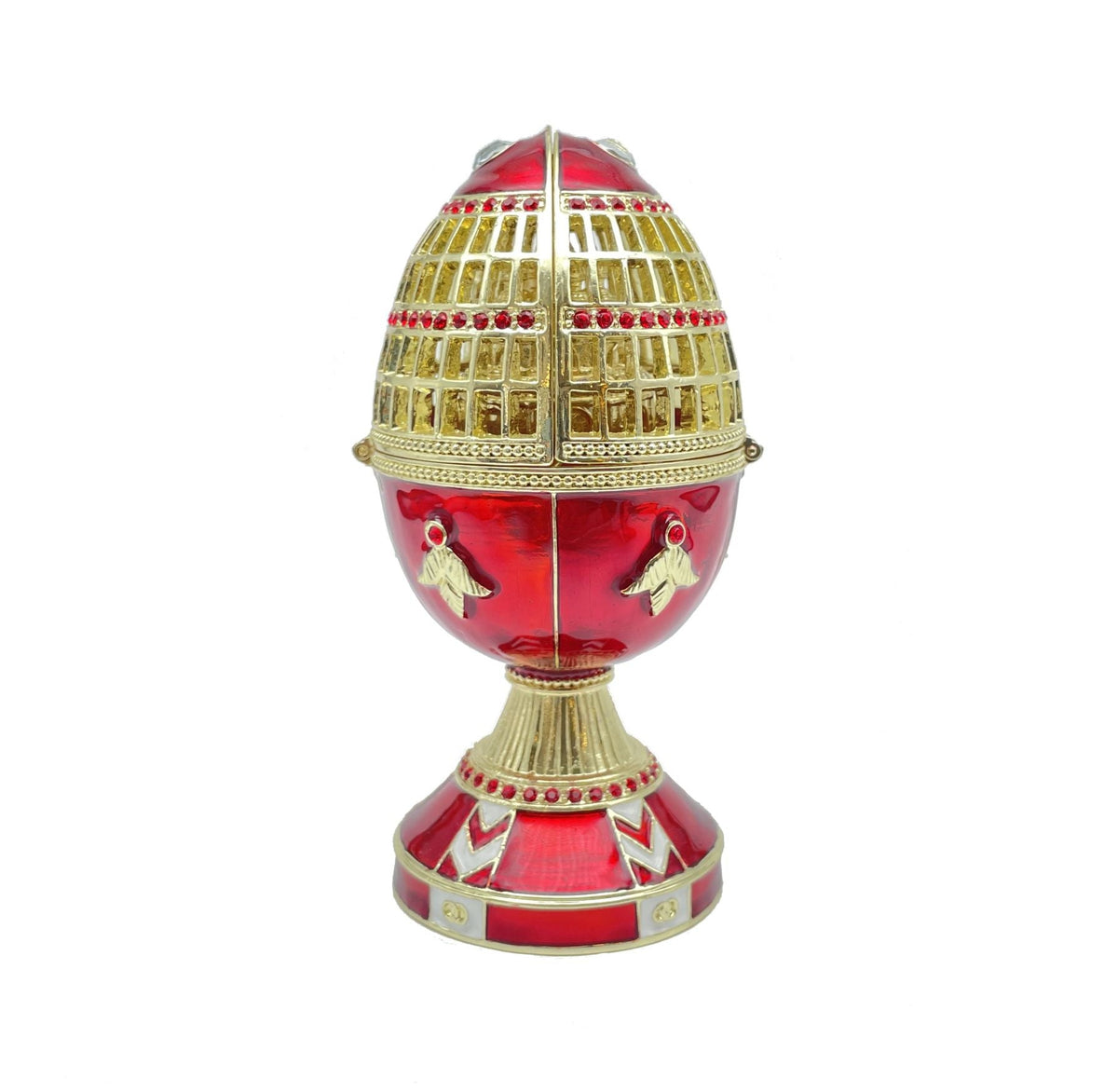
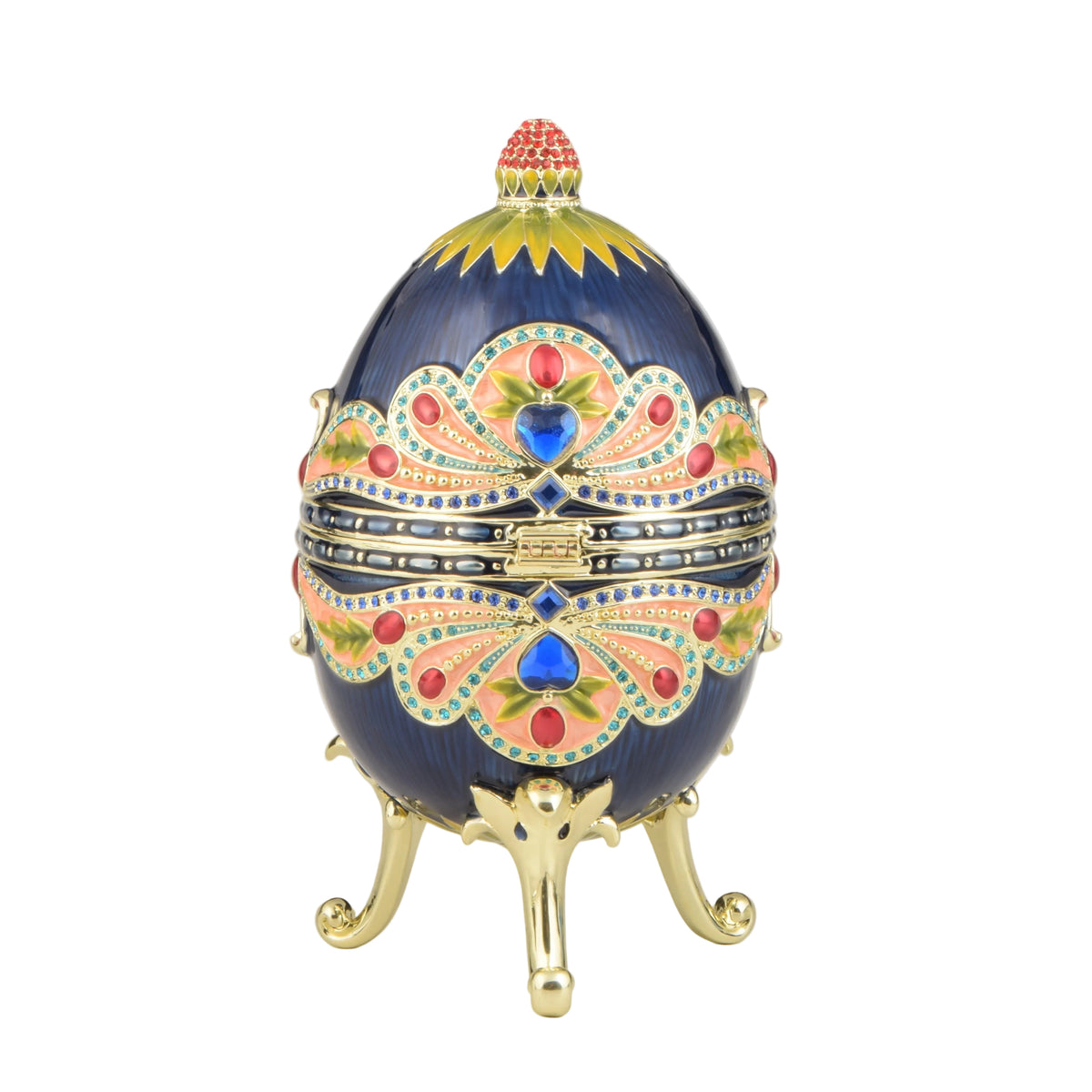
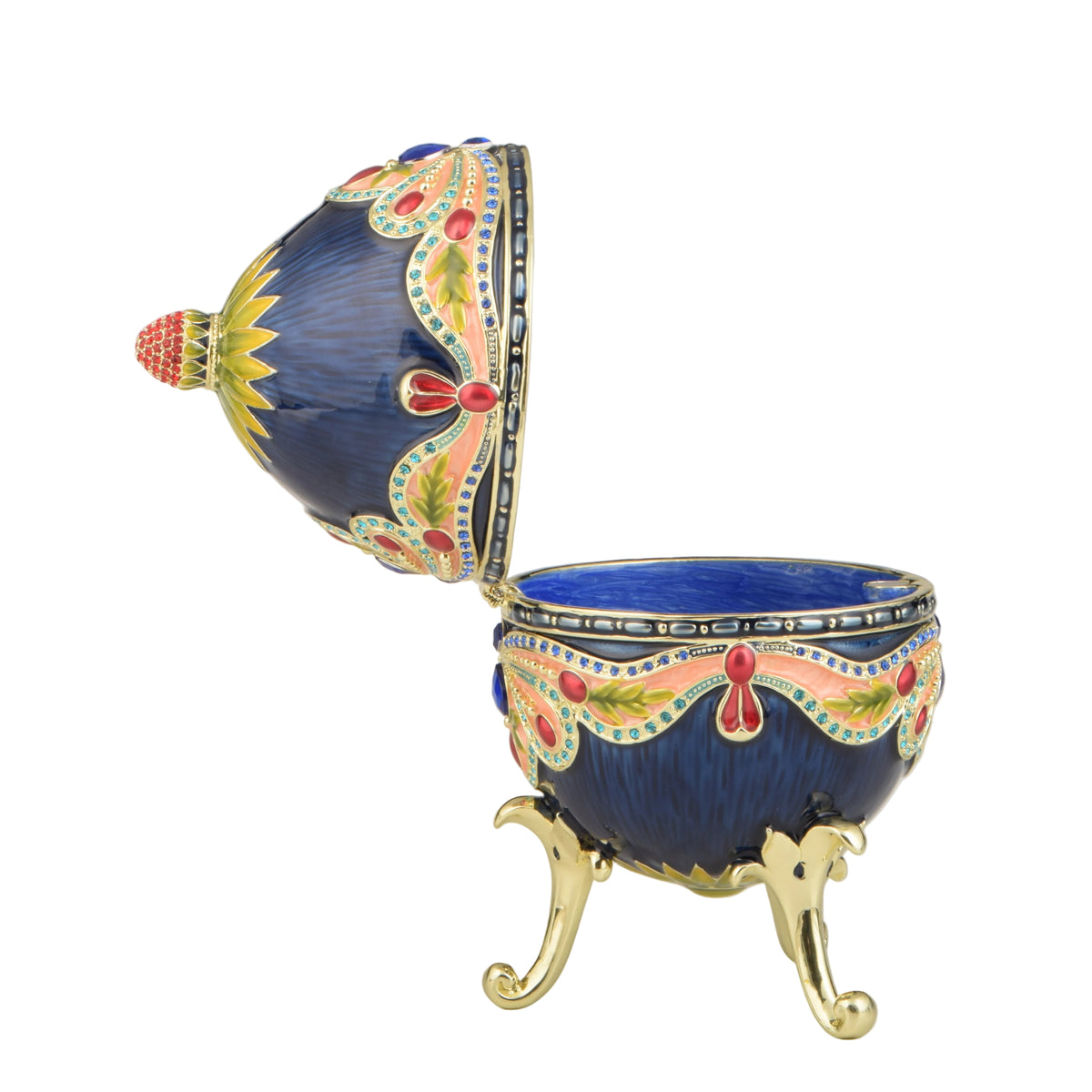
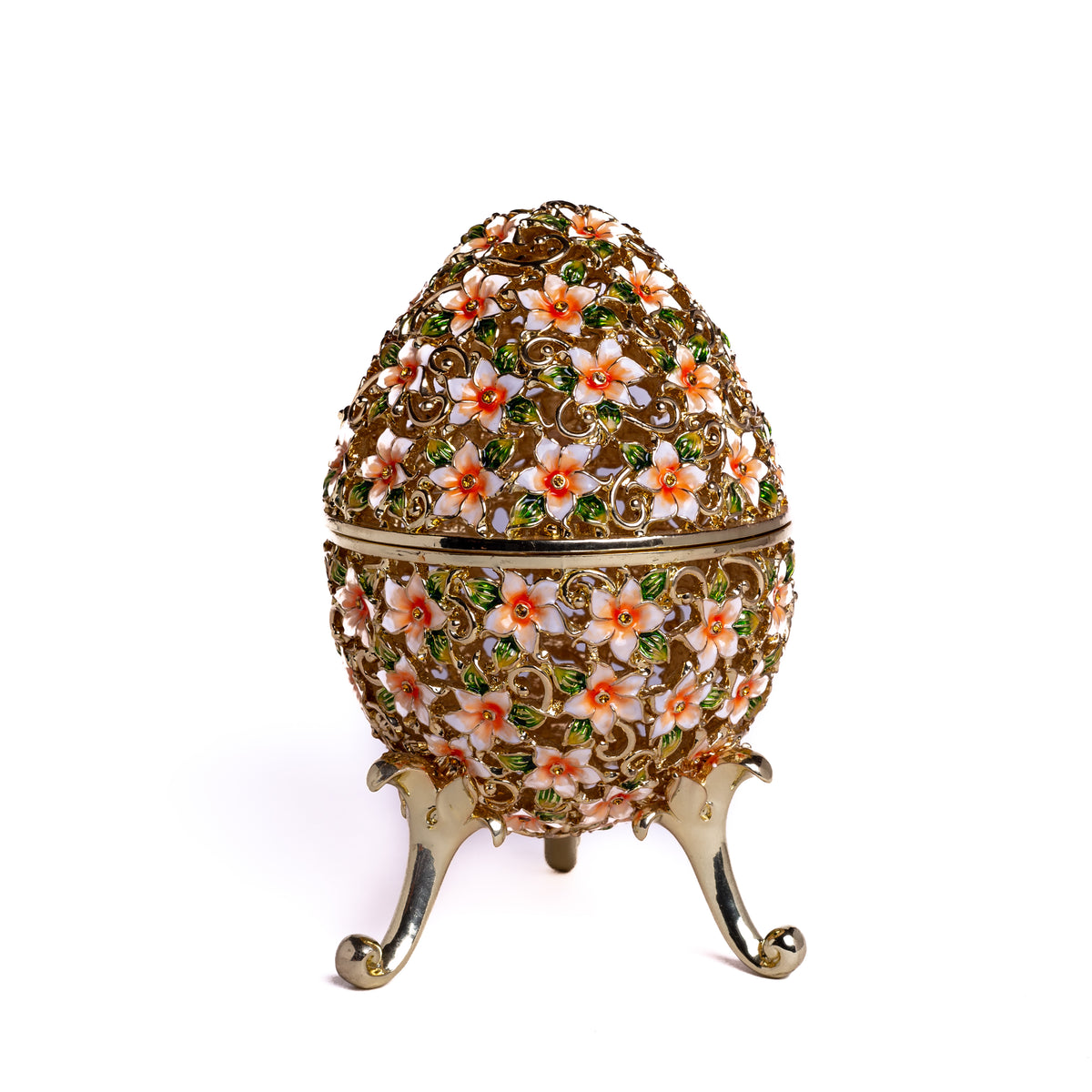
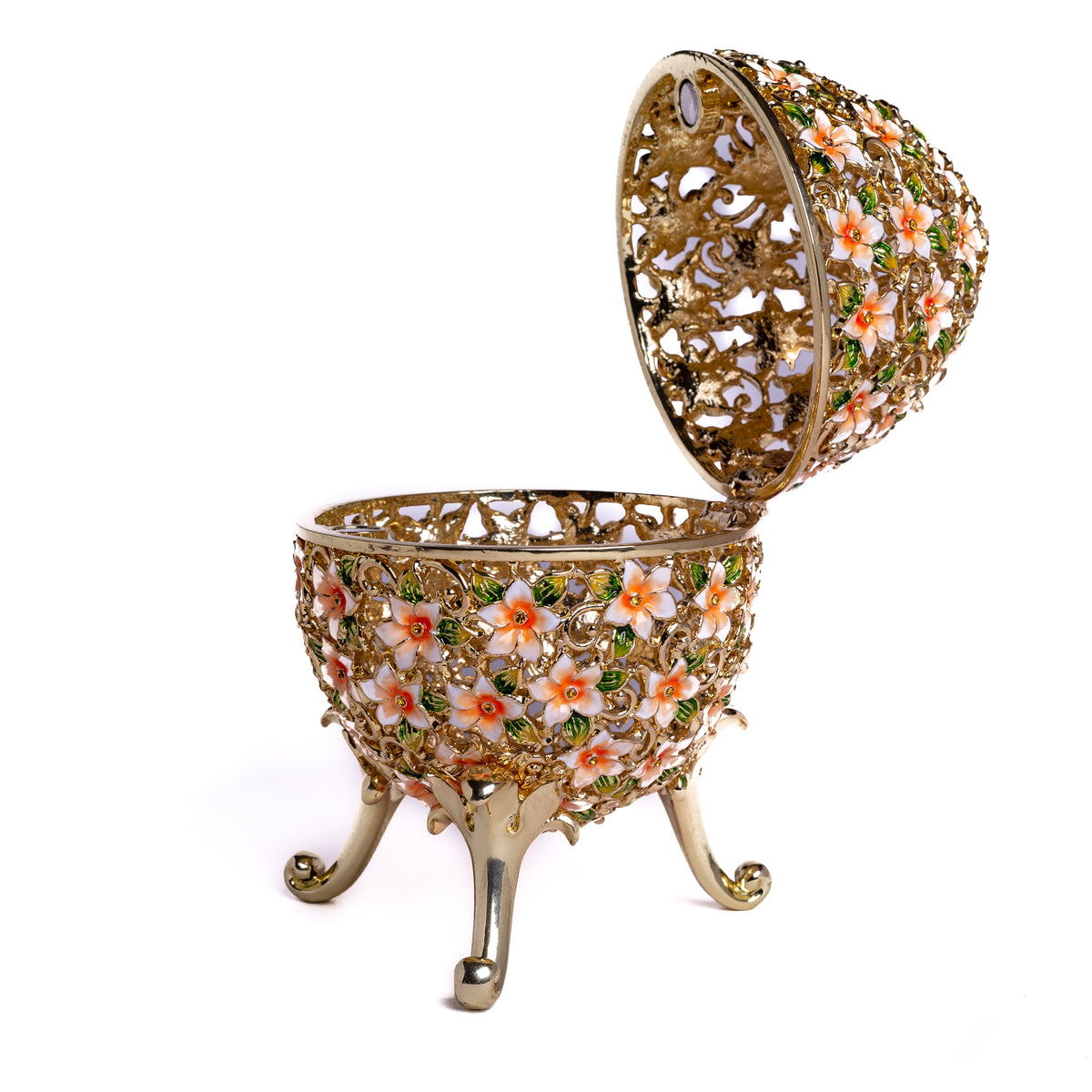
A Faberge-style egg is a decorative hinged box inspired by the jeweled Imperial Easter Eggs made by Peter Carl Faberge in 19th-century Russia. Unlike mass-produced replicas, Keren Kopal eggs are original designs hand-painted with enamel and adorned with individually placed crystals.
What are Keren Kopal eggs made of?
Each egg is crafted from a metal alloy base, hand-painted with colored enamel, plated with 24K gold or 925 sterling silver, and decorated with Austrian and Swarovski crystals. Every crystal is handpicked and individually set.
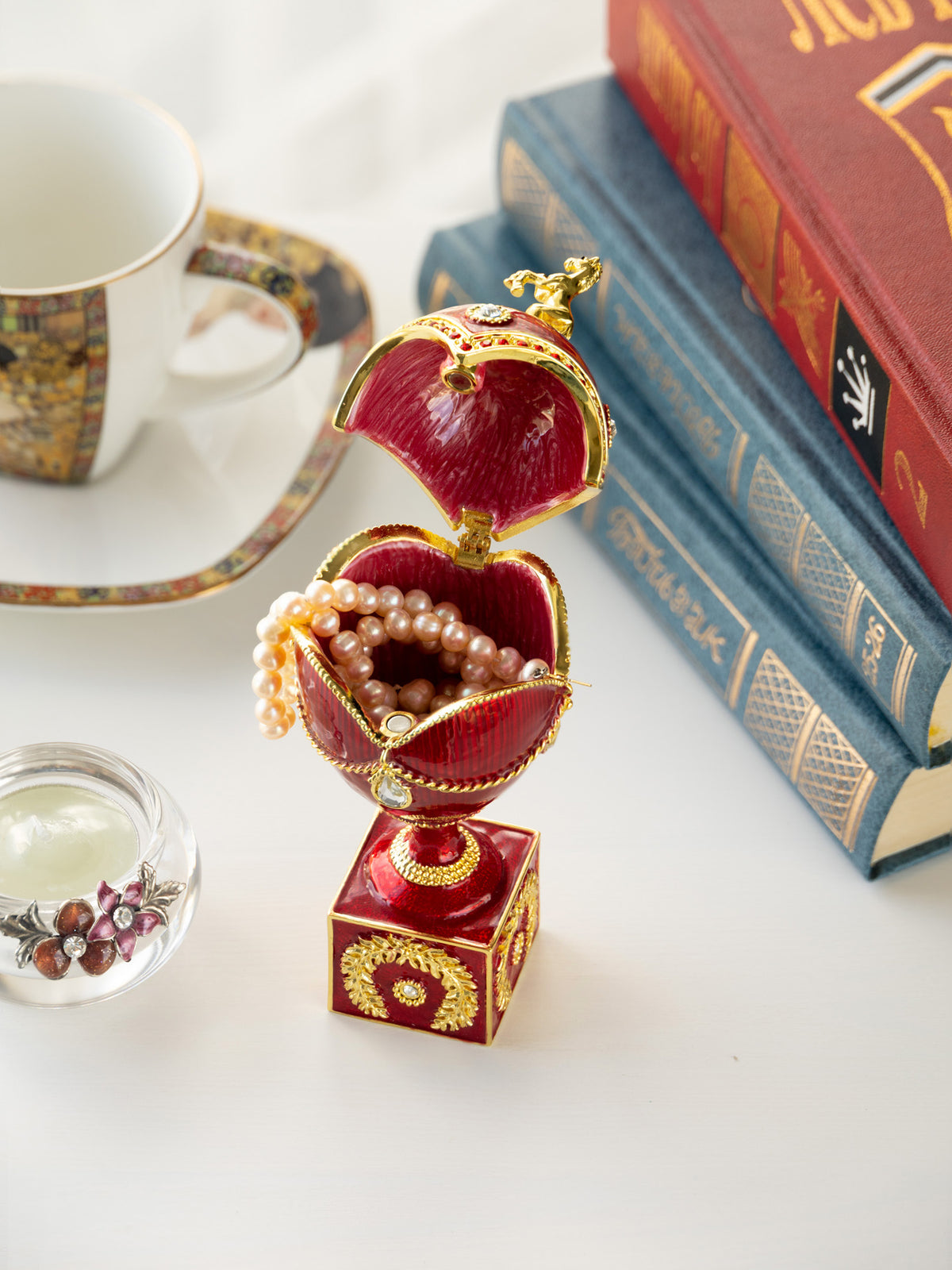
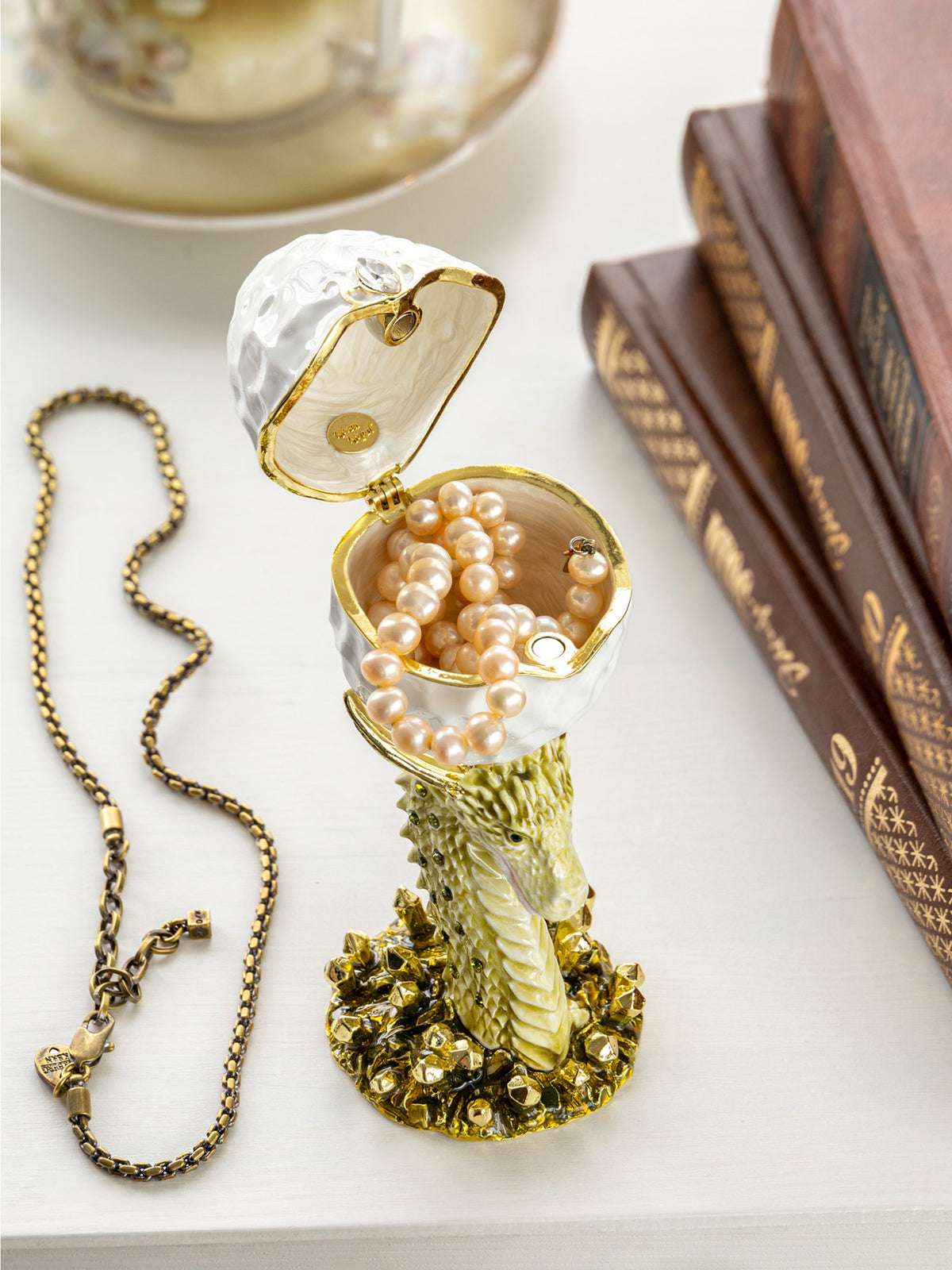
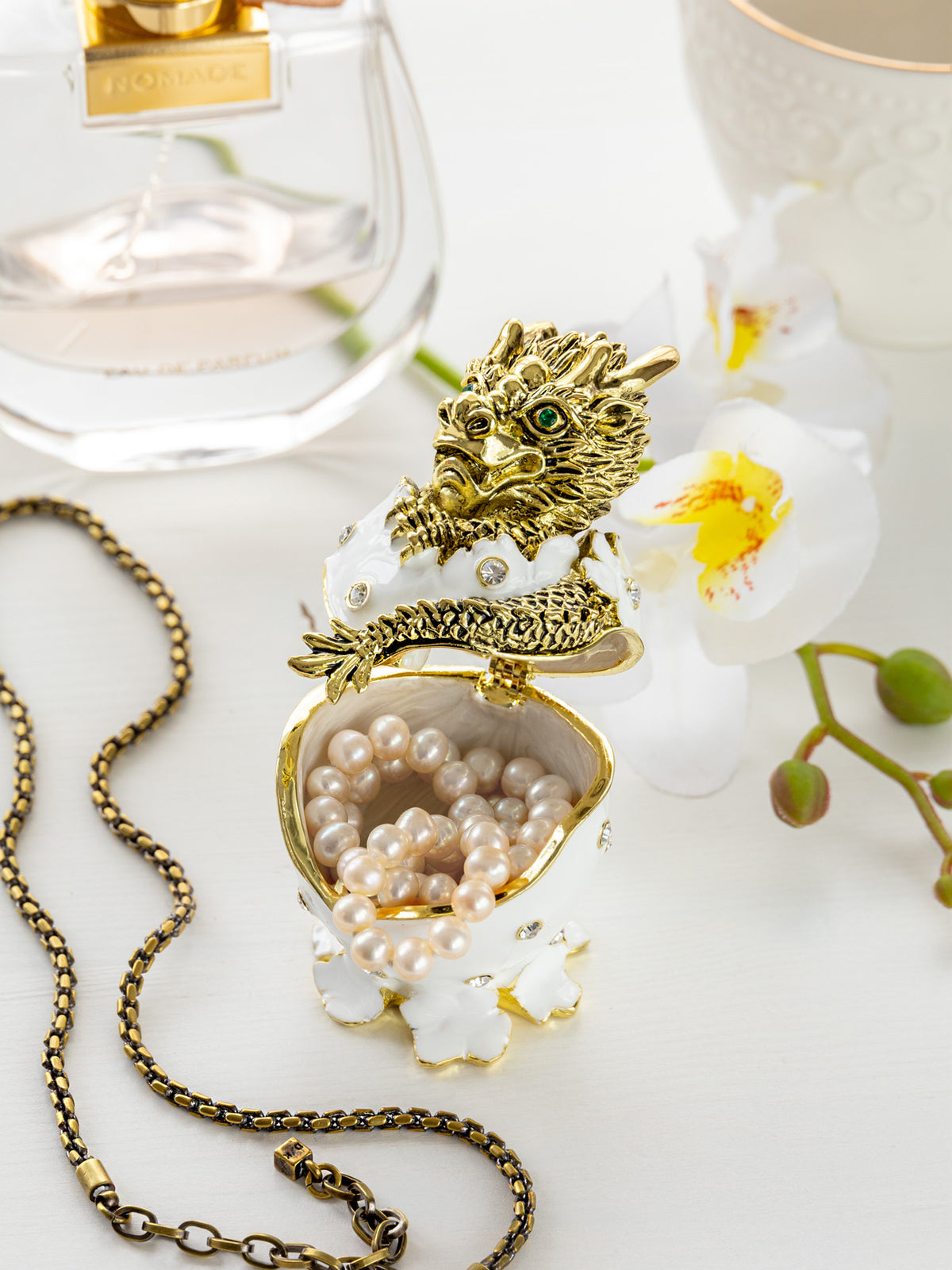
Can you store jewelry in a Faberge-style egg?
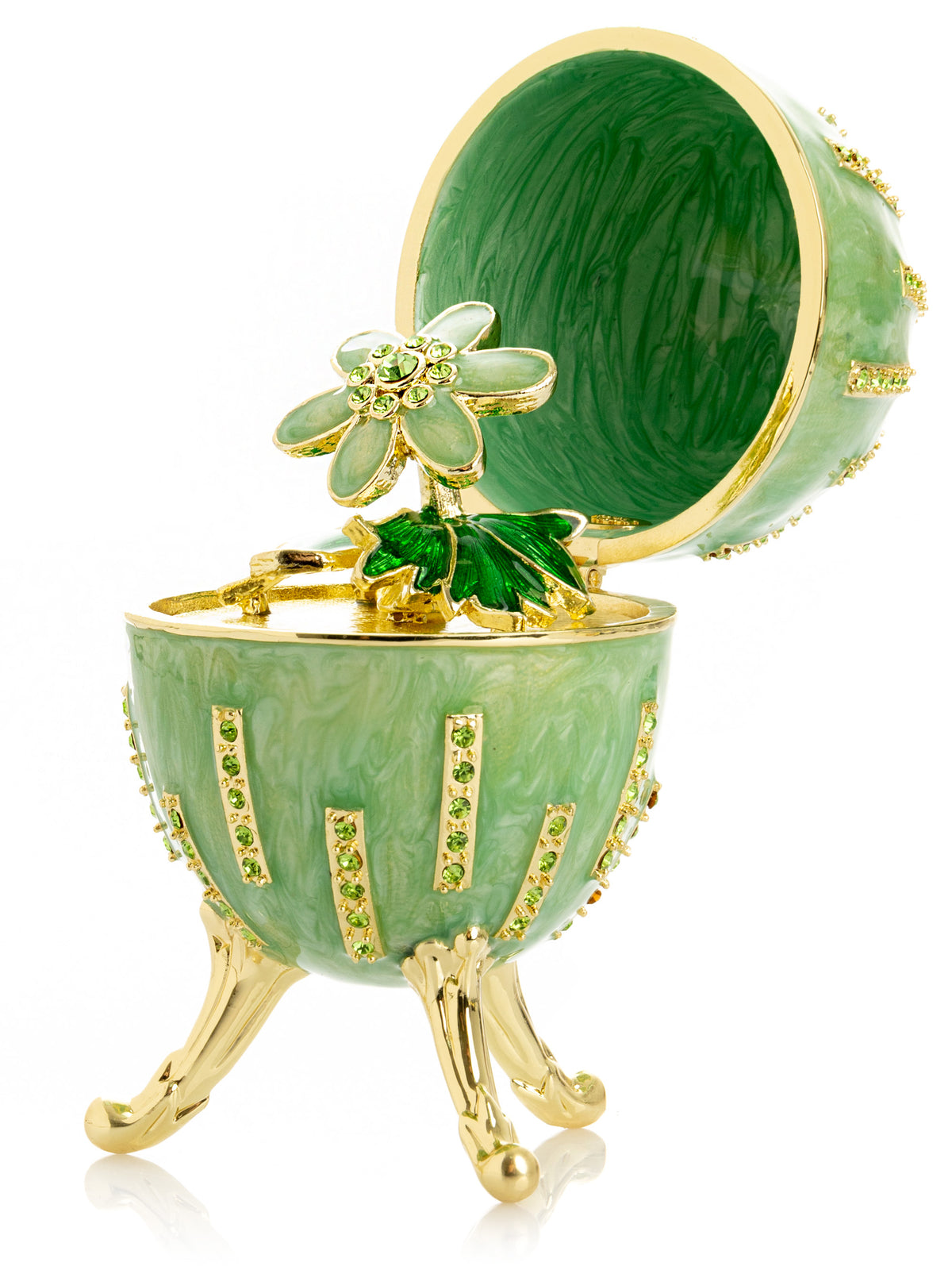
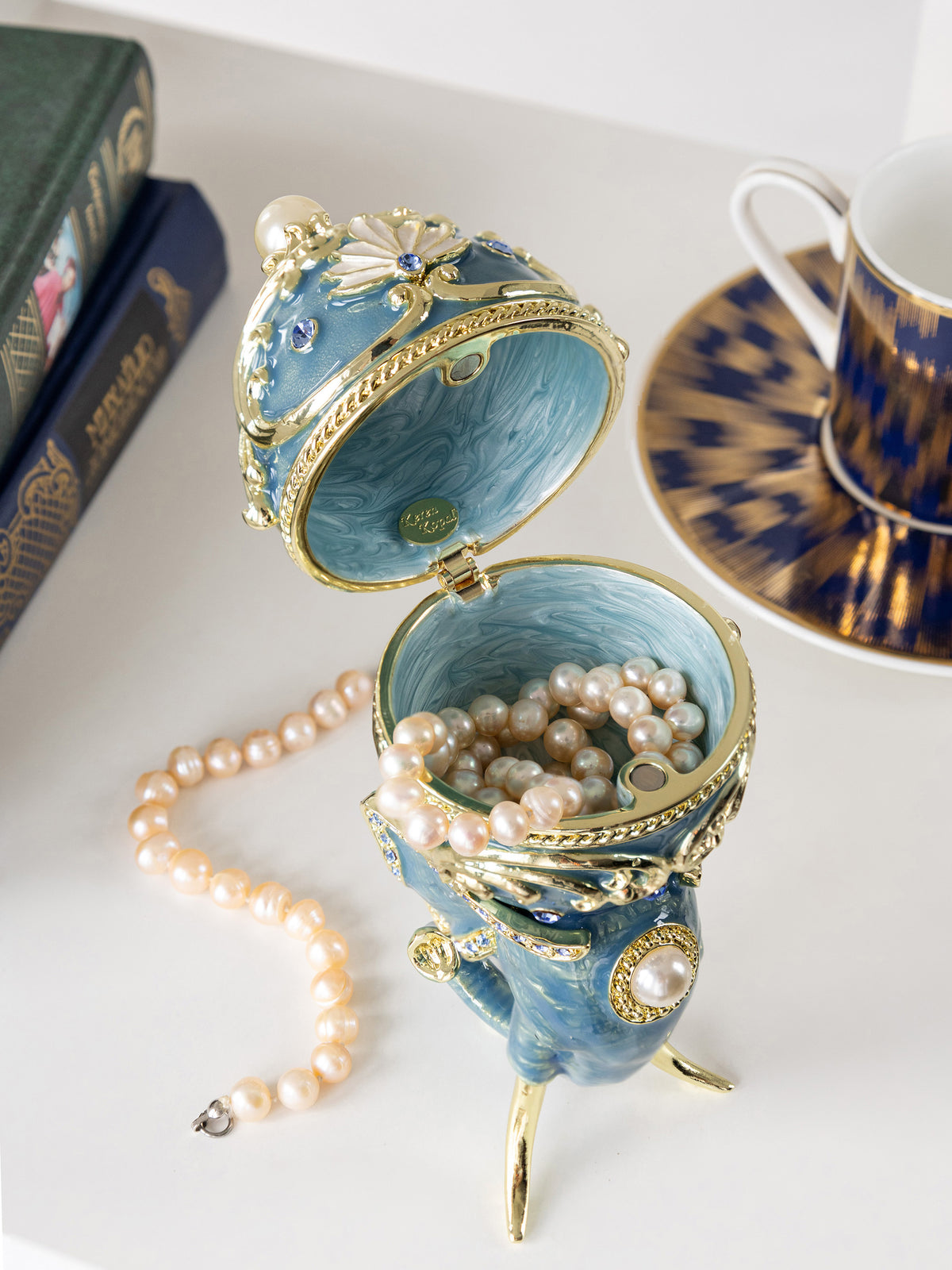
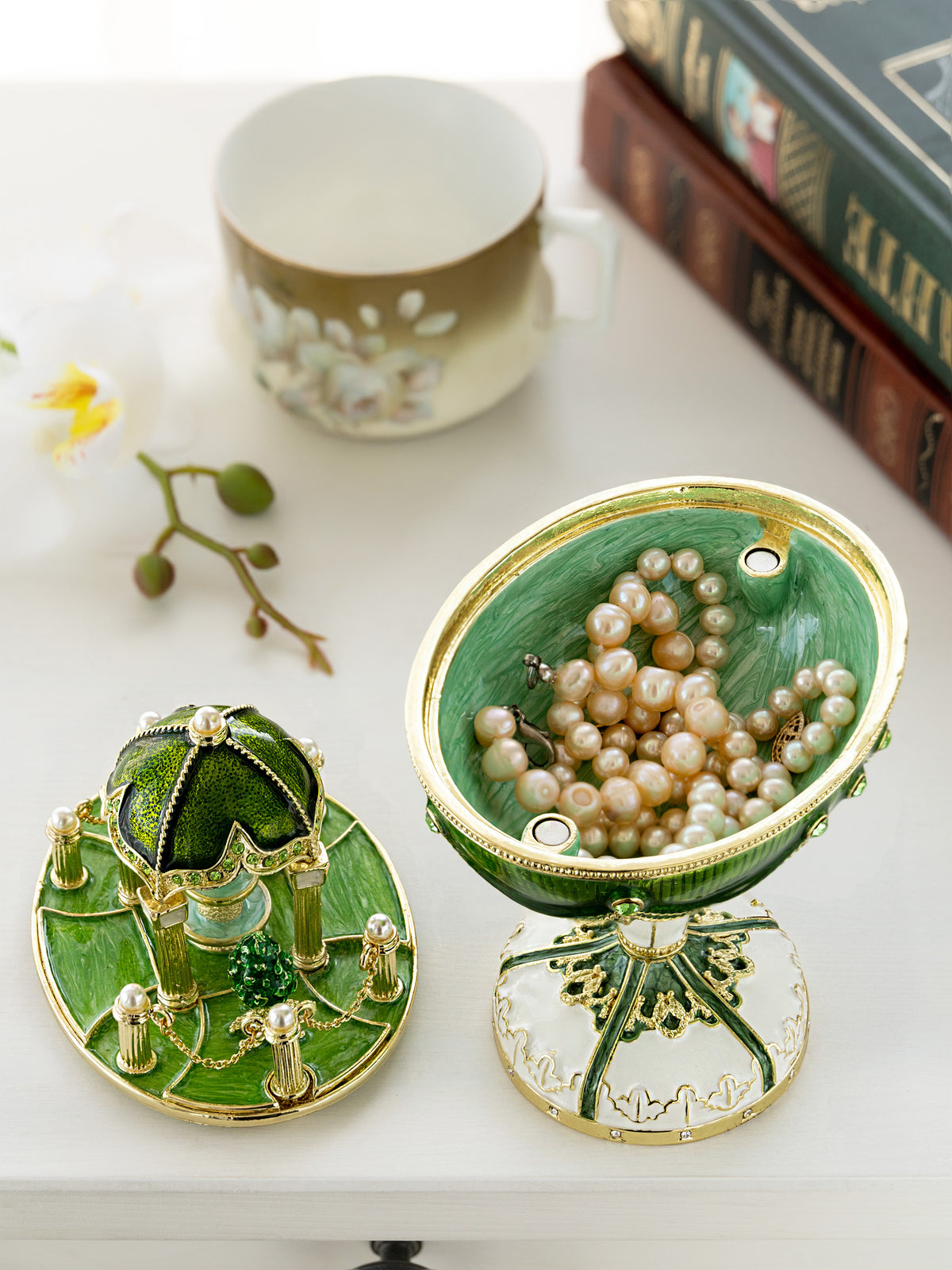
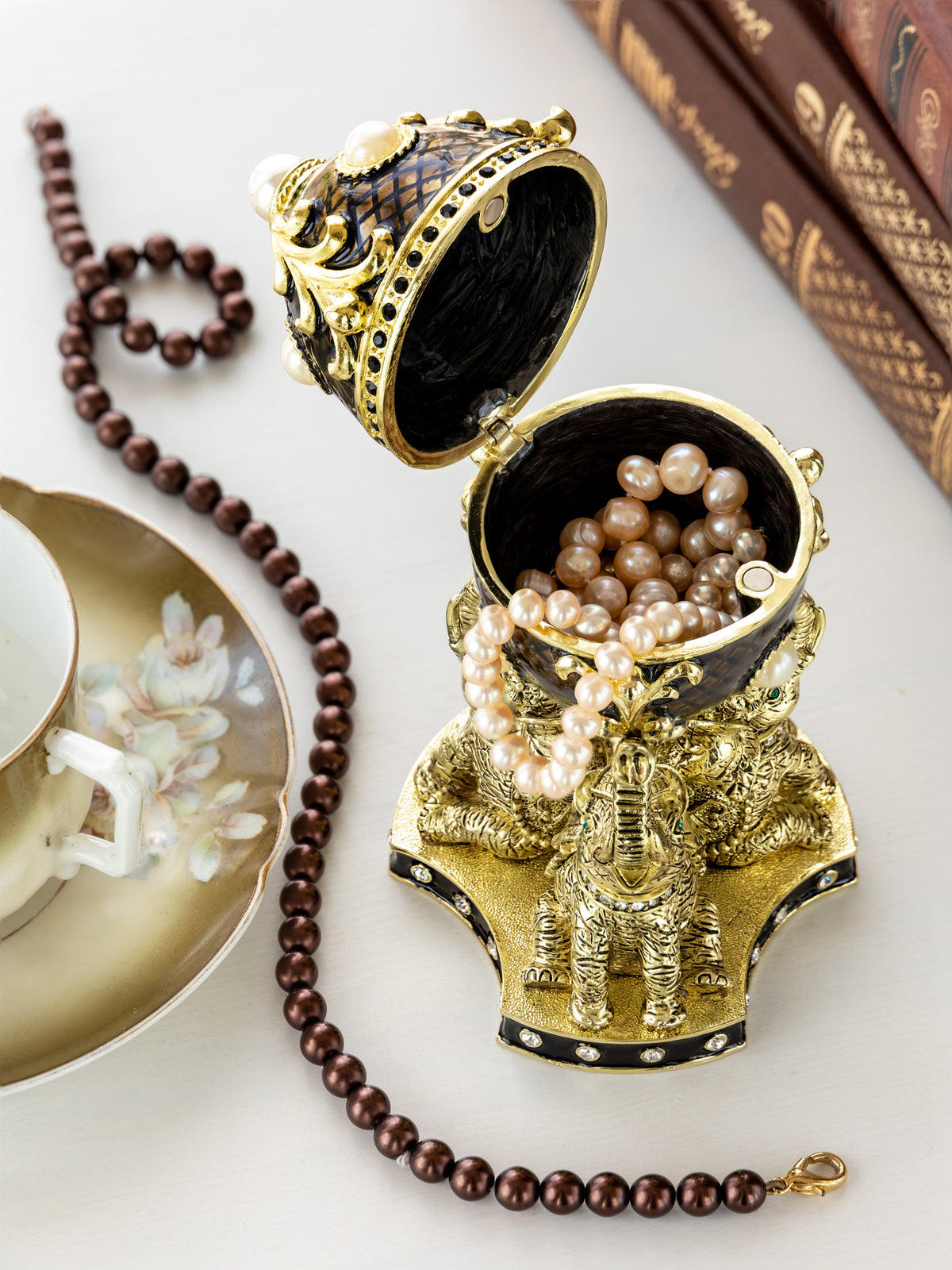
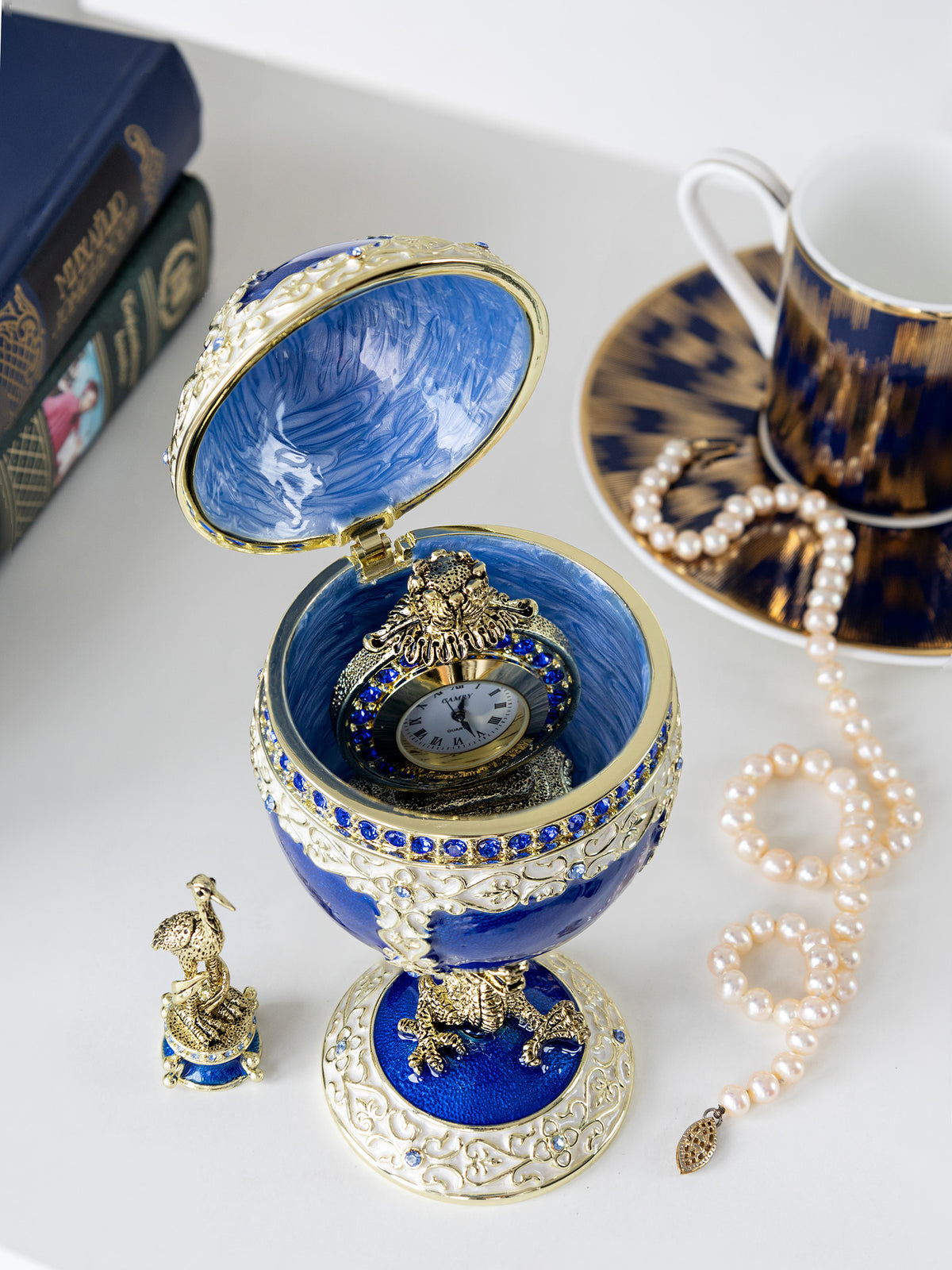
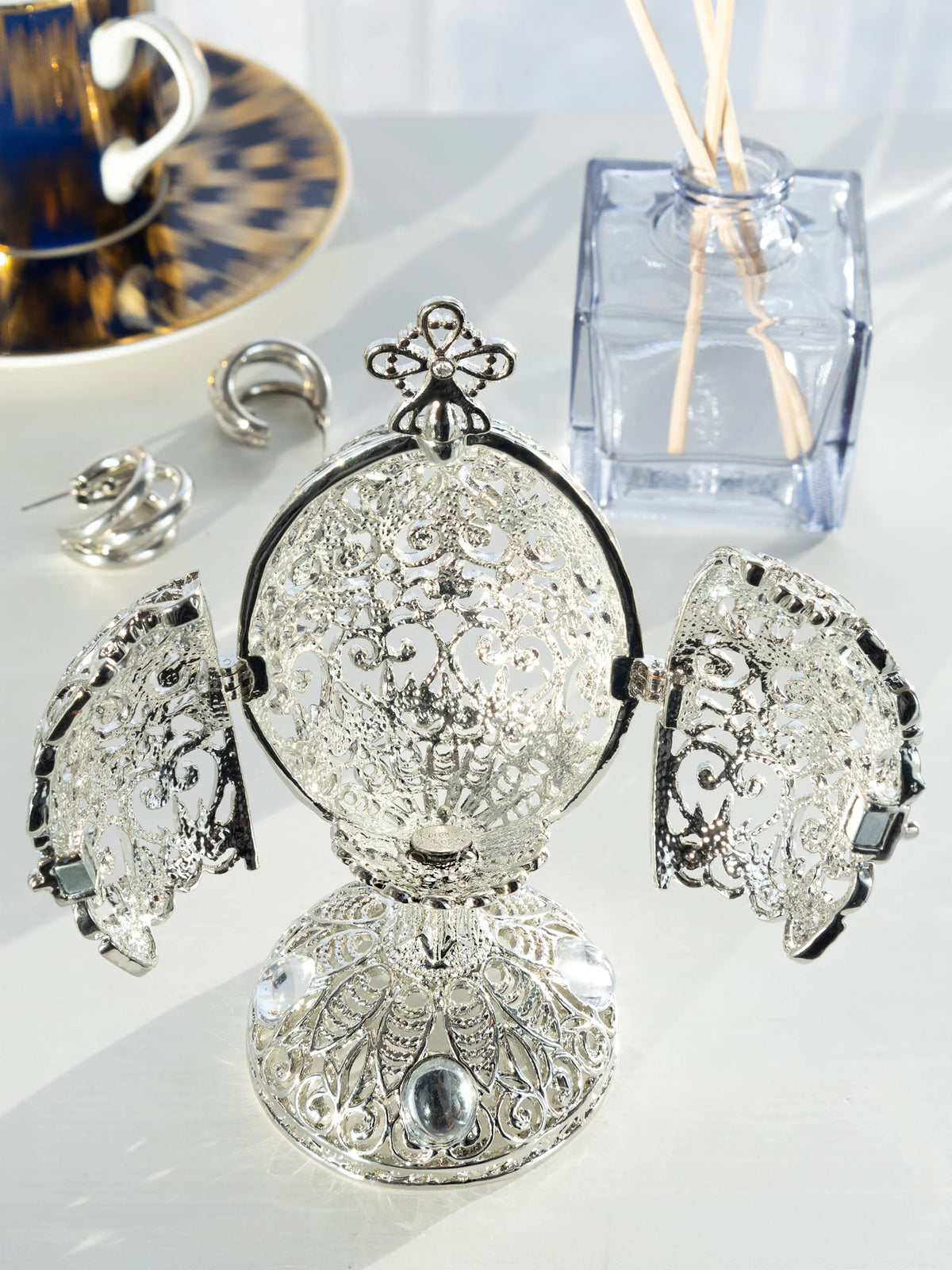
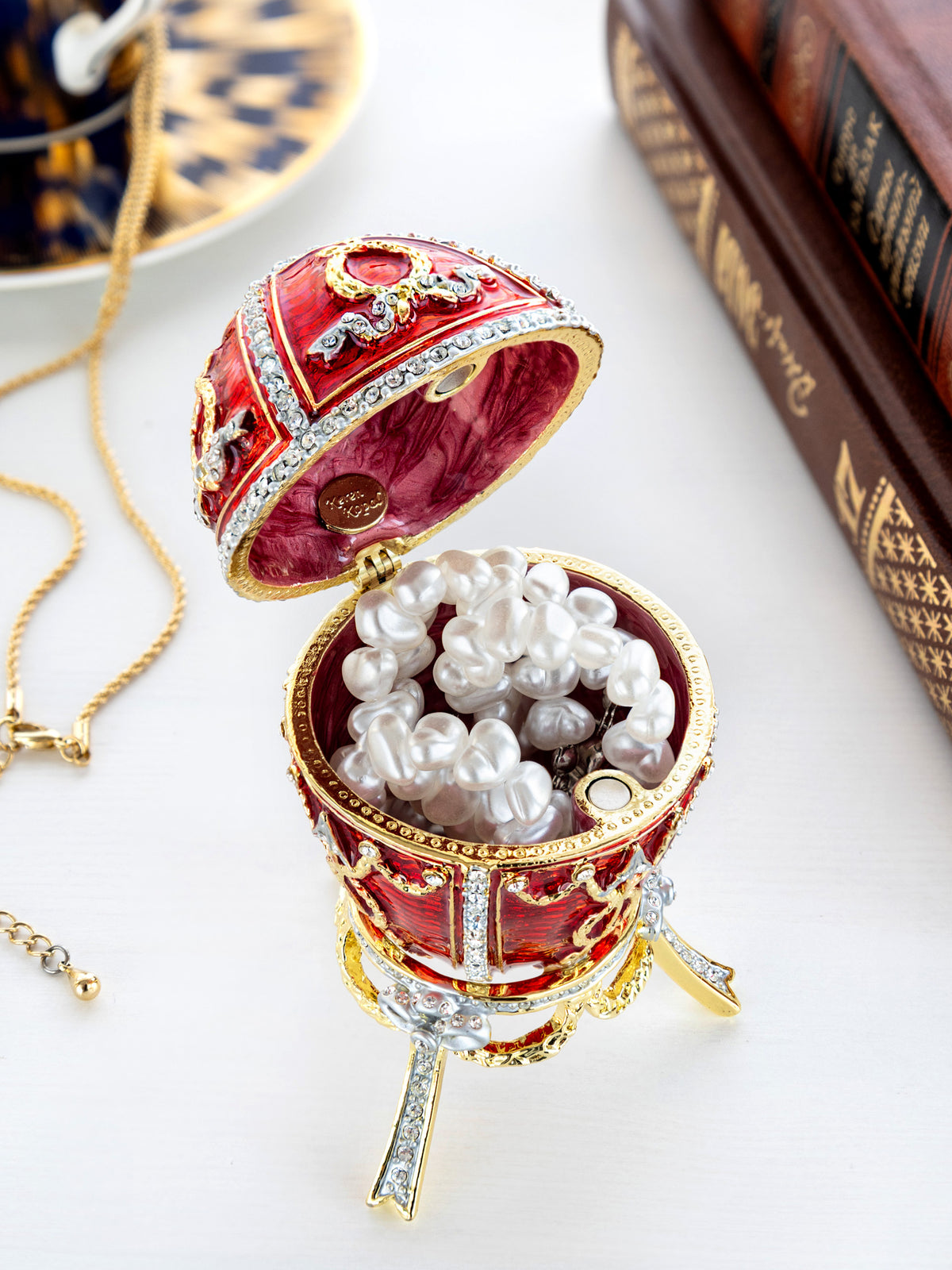
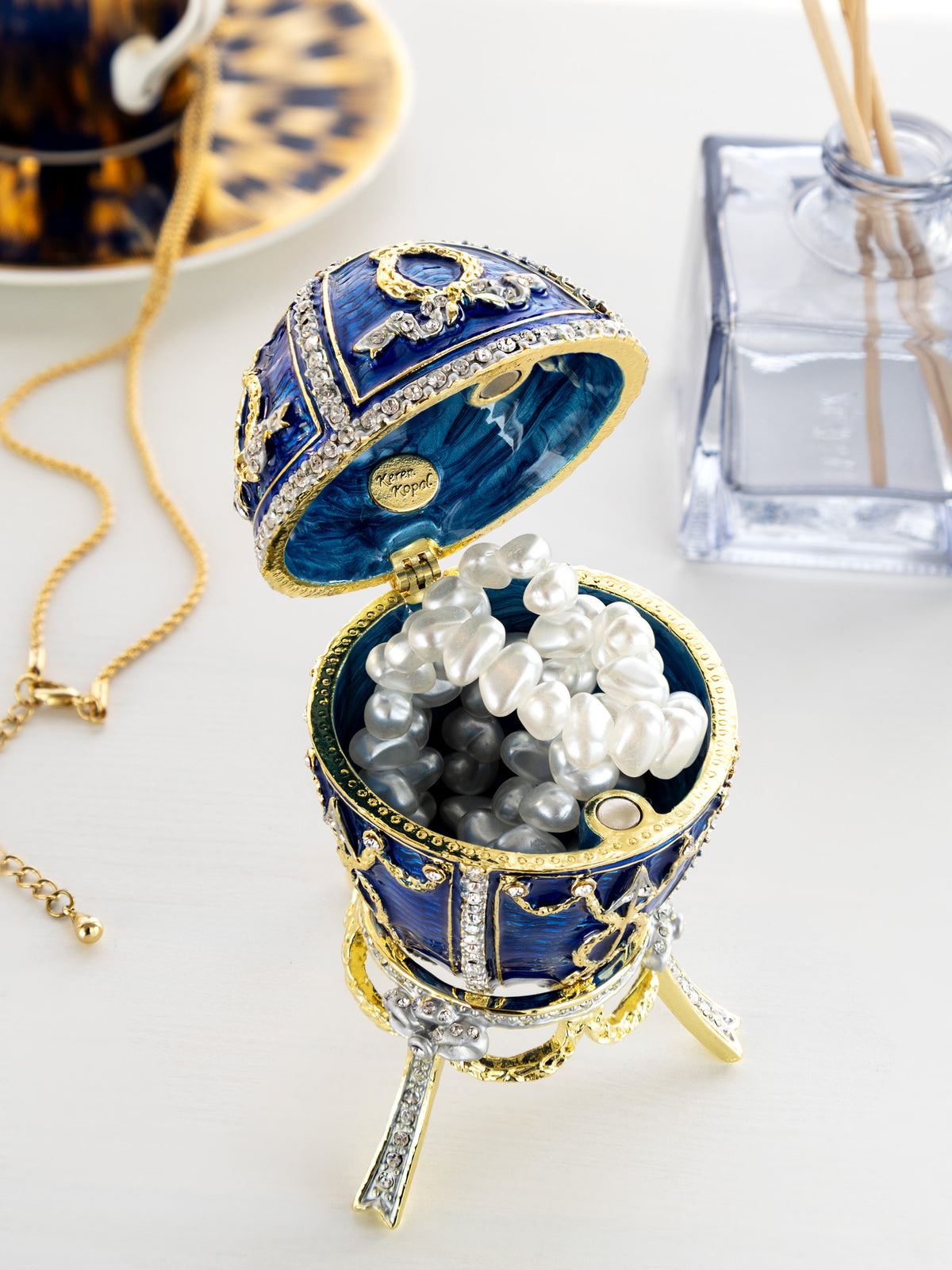
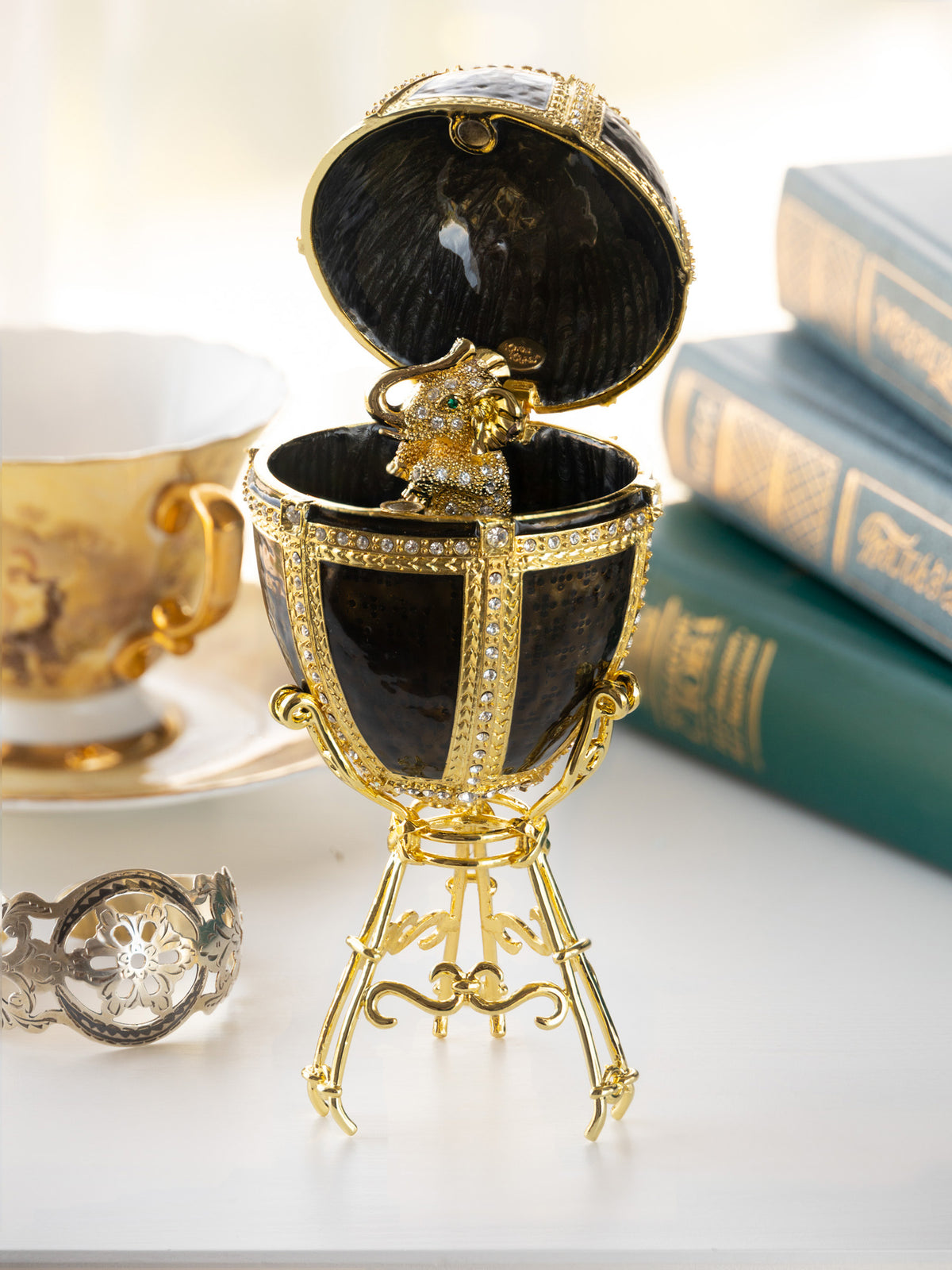
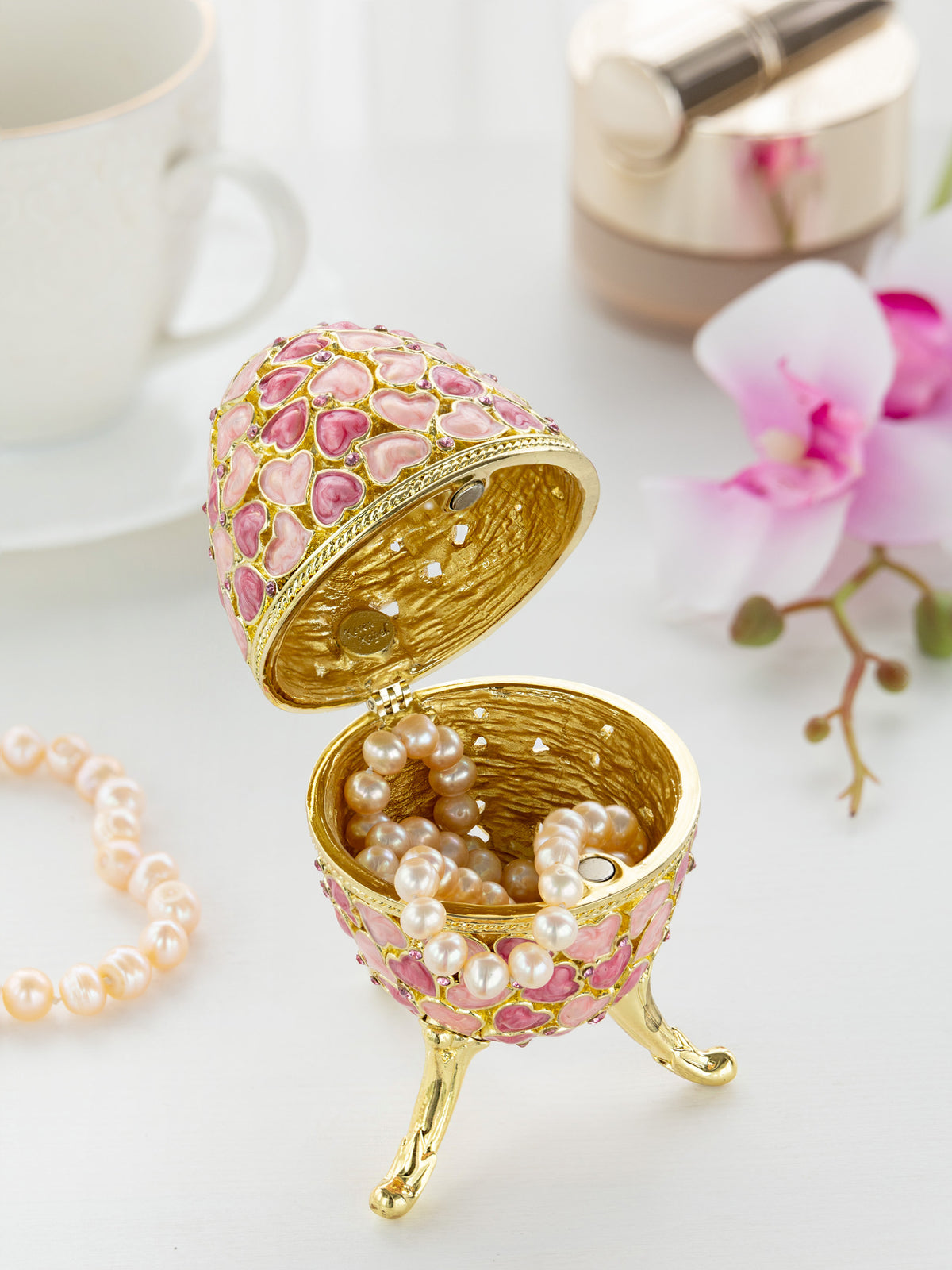
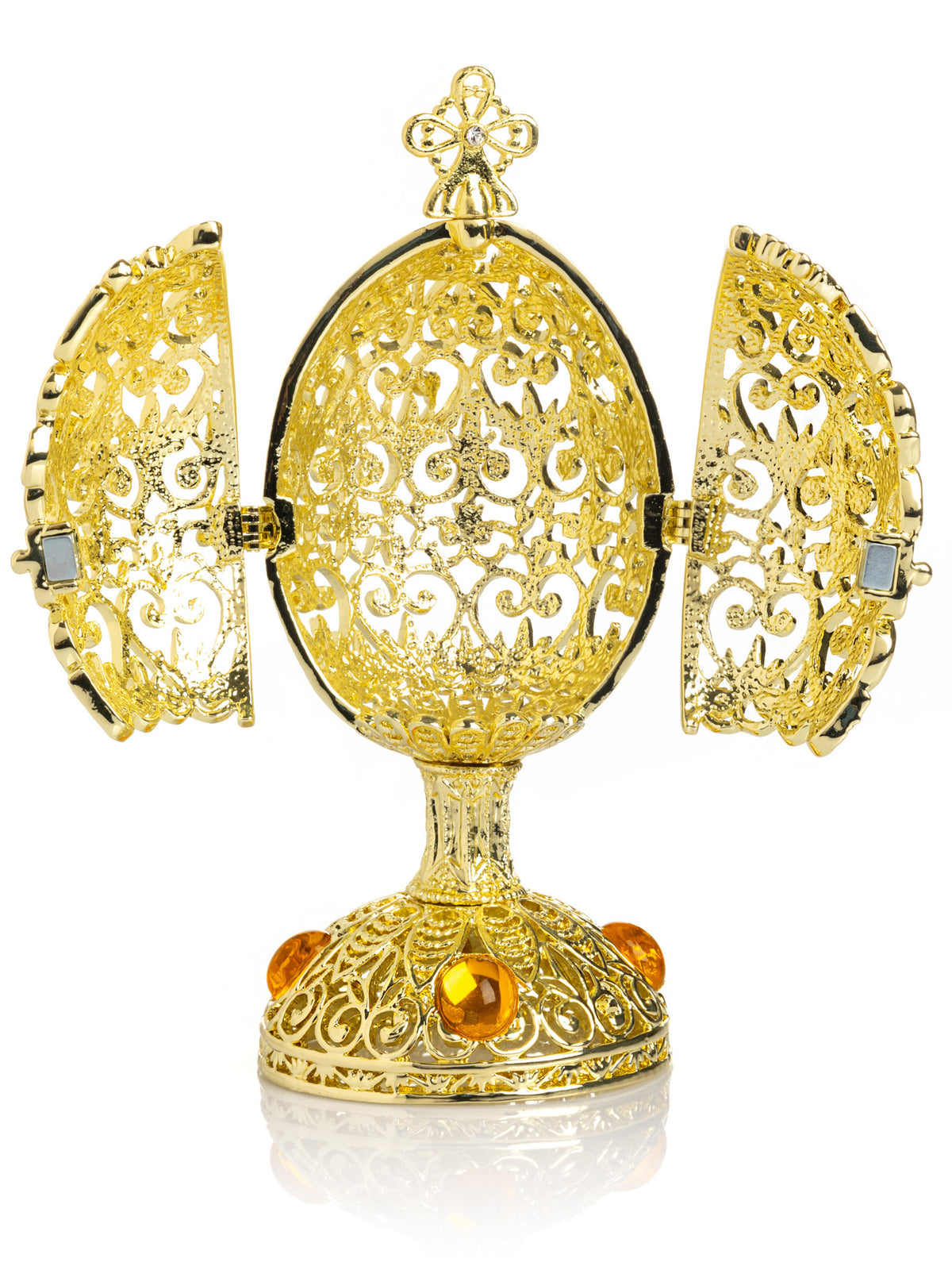
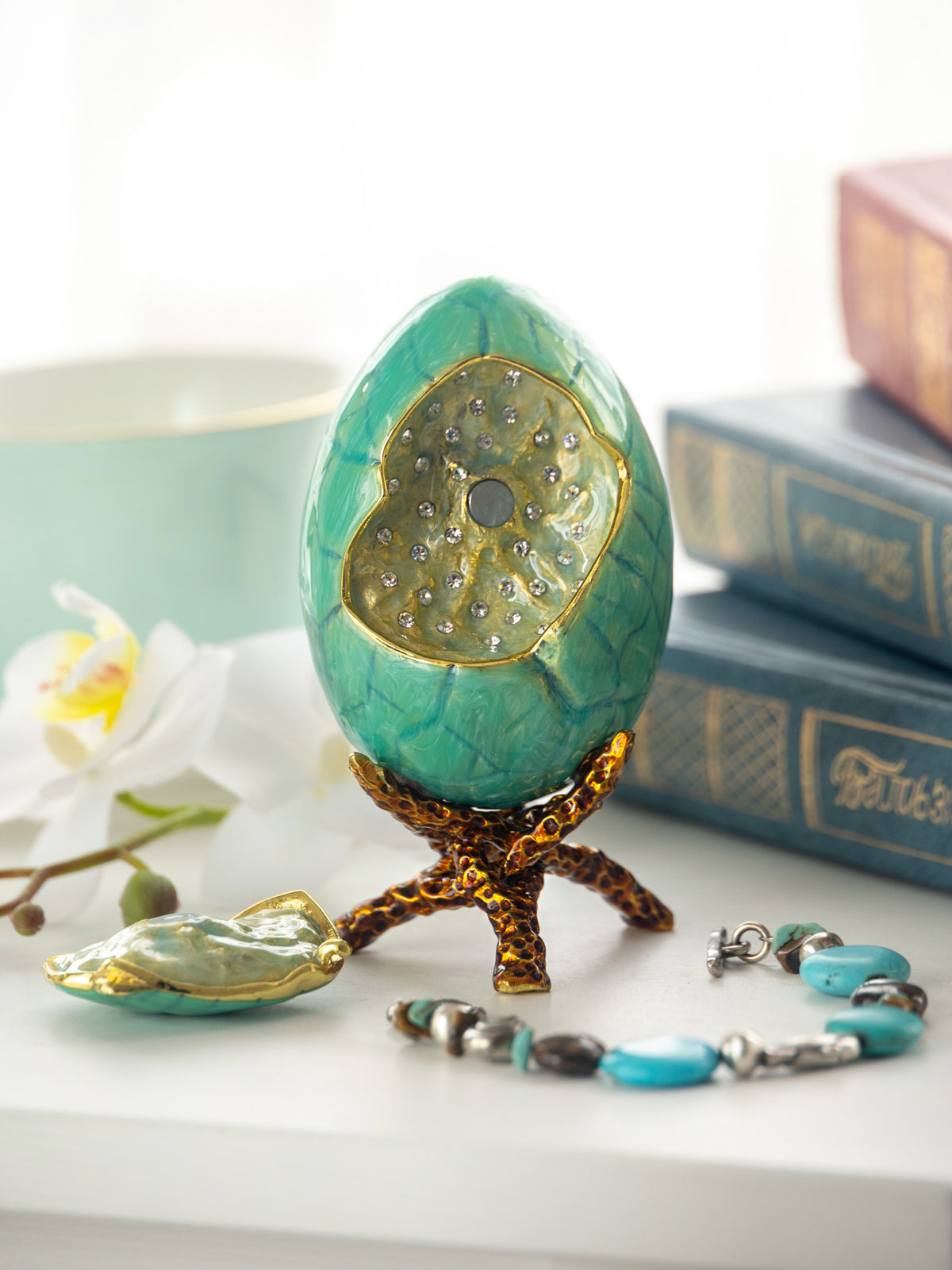
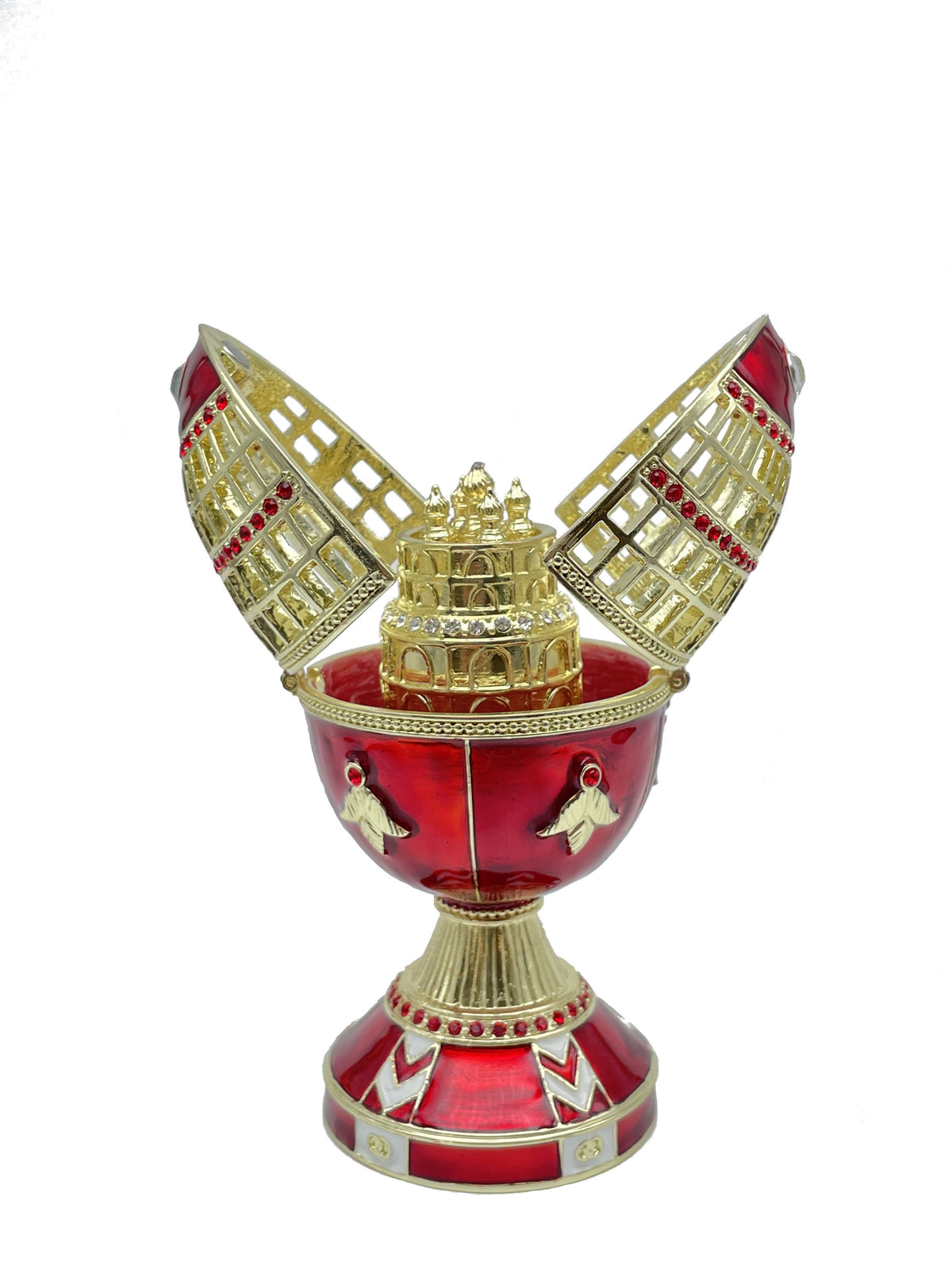
Yes. Each egg opens on a magnetic hinge to reveal a lined interior compartment sized for rings, earrings, small pendants, or other keepsakes.
What occasions are Faberge-style eggs popular for?
They are commonly given as gifts for Easter, Mother's Day, Valentine's Day, wedding anniversaries, and milestone birthdays. Collectors also purchase them as decorative display pieces.
Are these eggs limited edition?
Many designs in this collection are limited to 250 pieces worldwide, numbered and signed by the designer. Once a limited edition sells out, it is not reproduced.
How are Keren Kopal eggs shipped?
Every egg ships in an elegant black gift box with free worldwide shipping. Delivery typically takes 5 to 7 business days; distant destinations may take a little longer.
About Faberge-Style Eggs
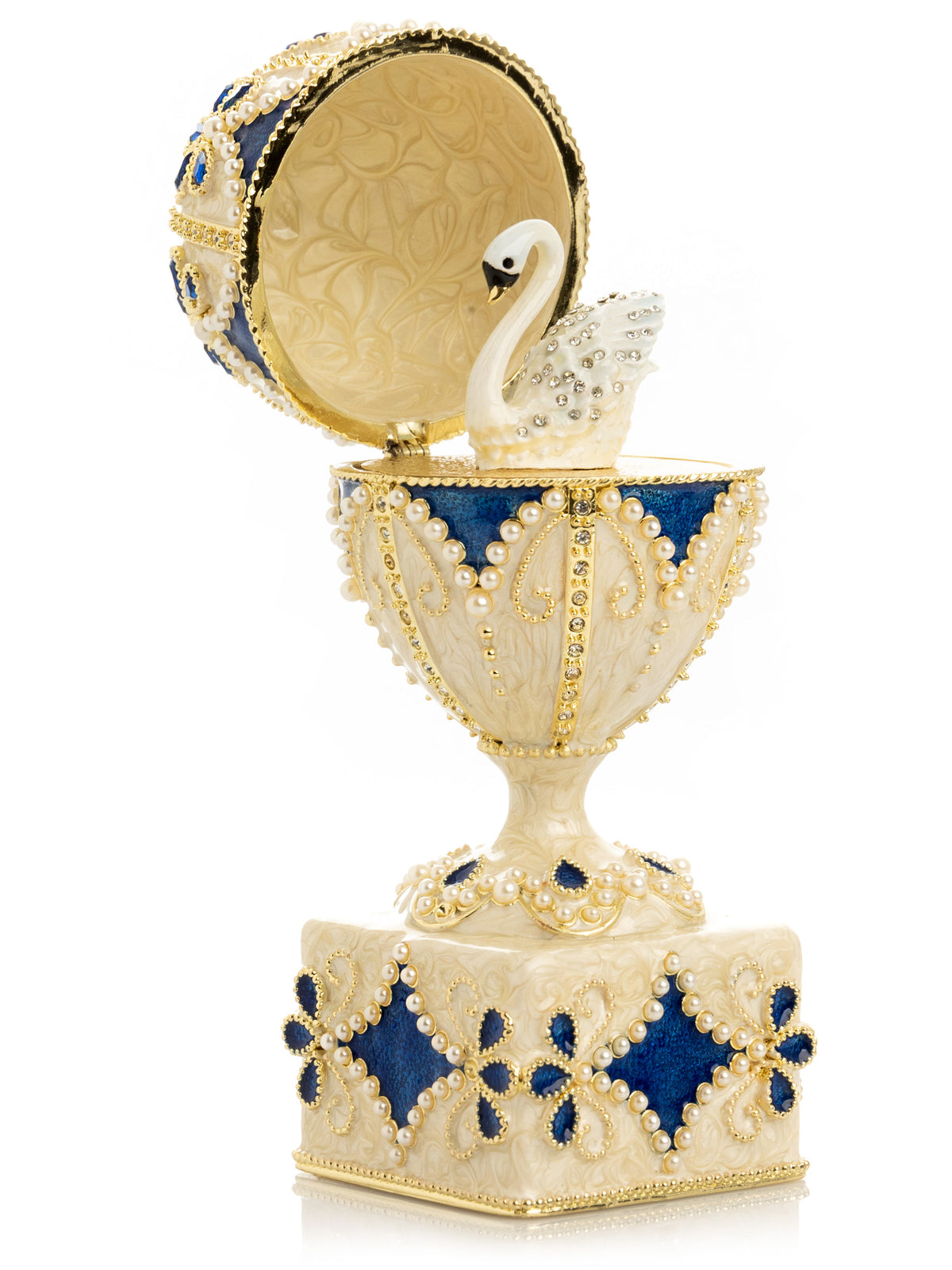
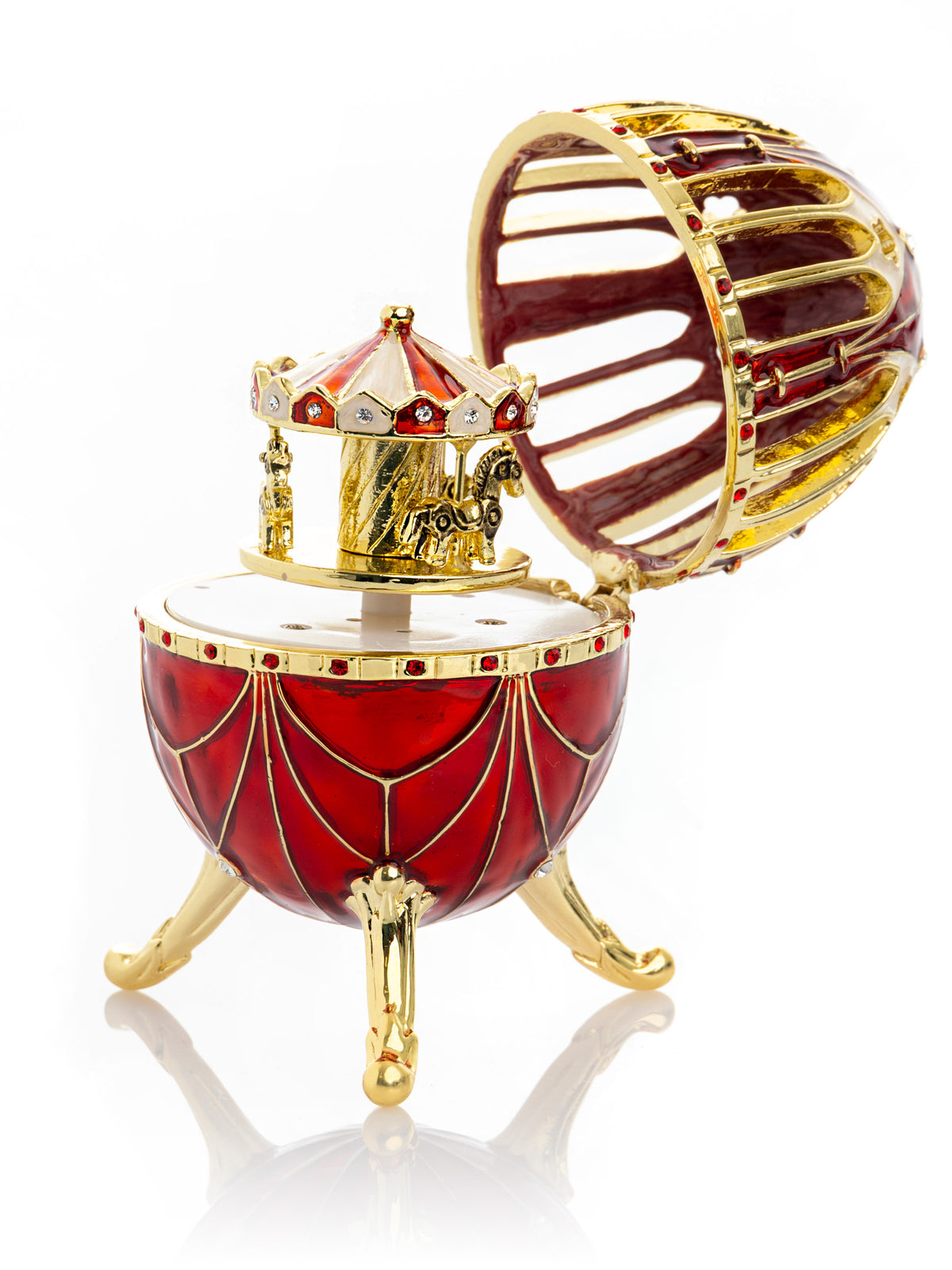
Faberge-style decorative eggs are ornamental trinket boxes inspired by the Imperial Easter Eggs created by Peter Carl Faberge for the Russian royal family between 1885 and 1917. The original 50 Imperial Eggs were commissioned as royal gifts, each containing a hidden surprise and crafted with precious metals and gemstones. Modern Faberge-style eggs follow this tradition using hand-painted enamel techniques, with each piece adorned with Austrian and Swarovski crystals and plated in 24K gold or 925 sterling silver. The eggs open on a hinged magnetic clasp to reveal a lined interior compartment sized for rings, earrings, small pendants, or personal keepsakes. Collectors display them as decorative art on shelves, vanity tables, and in curio cabinets. They are also popular as gifts for Easter, Mother's Day, wedding anniversaries, and milestone birthdays, valued for combining functional jewelry storage with ornamental craftsmanship.